
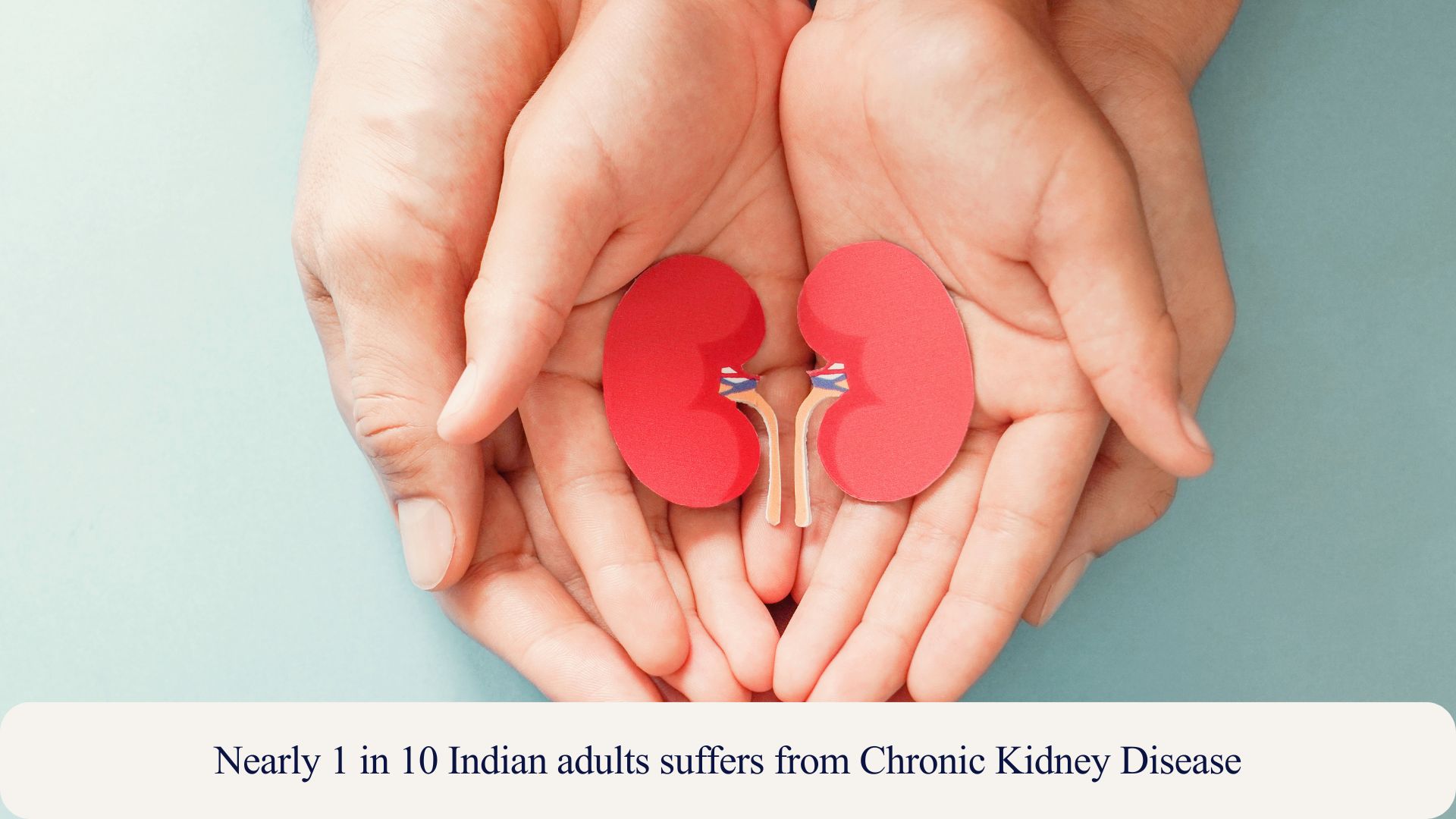
As a urologist, I often meet patients only when things have become serious. Chronic Kidney Disease (CKD) is a “silent” condition; you won’t feel your kidneys failing until they have lost nearly 80% of their function. In India, this is a growing crisis.Recent 2026 projections suggest that CKD will become a top-five cause of death in our country by 2040, with over 138 million Indians already affected.
But here is the good news: much of this is preventable. If you are in the “silent stage”—perhaps you have high blood pressure or diabetes—you can take control today. Here is how I advise my patients to protect their kidneys within our unique Indian context.
1. Manage the “Big Two”: Diabetes and Hypertension
In my practice, I find that nearly 60% of kidney failure cases stem from poorly managed blood sugar and blood pressure. India has the second-highest number of diabetes cases globally. When your sugar is high, it acts like “sand” in the delicate filters of your kidneys, scarring them over time.
My Tip: Don’t just “feel” okay; know your numbers. Aim for a blood pressure below 120/80 mmHg and an HbA1c below 7%. Even a 15% improvement in national control targets could avert over 80,000 deaths annually.
2. The Indian “Salt Trap”
The World Health Organization recommends less than 5g of salt daily, yet the average Indian consumes nearly 11g per day.While we focus on table salt, the real danger in our culture lies in hidden sodium:
- Pickles (Achar) & Papads: These are salt-concentrated “bombs.” Just one tablespoon of achar can fulfill half your daily sodium limit.
- Namkeens & Bhujia: These processed snacks are designed for shelf-life, not kidney health.
My Tip: Replace salt with lemon, tamarind (imli), or kokum to give your food that “tang” without the sodium hit.
3. Rethink Your Medicine Cabinet
This is something most websites won’t tell you: India has a massive culture of self-medication. I frequently treat patients with “Acute-on-Chronic” kidney injury caused by the long-term use of NSAIDs (painkillers) like Diclofenac or Ibuprofen for joint pain.
My Tip: Avoid popping over-the-counter painkillers for every minor ache. They reduce blood flow to the kidneys and can cause irreversible damage if used habitually.
4. Cultural Movement: The Power of Yoga
We are blessed with a heritage that supports renal health. Recent studies in India have shown that 12 weeks of consistent yoga (5 hours a week) significantly improves kidney function markers like eGFR and reduces oxidative stress.
My Tip: Incorporate specific asanas like Paschimottanasana (Seated Forward Bend) and Ardha Matsyendrasana (Half Spinal Twist). These poses gently “massage” and stimulate the abdominal organs, including the kidneys.
5. Watch the Water, Not Just the Quantity
While staying hydrated is vital, especially in our humid climate, the quality of water matters. In certain parts of India, groundwater contains high levels of fluoride or heavy metals, which are toxic to kidneys over decades of consumption.
My Tip: If you rely on groundwater, ensure it is properly filtered. Also, avoid the “8-glass-a-day” myth; drink enough so that your urine is pale yellow, but don’t over-hydrate to the point of straining your heart and kidneys.
The Two Tests That Save Lives
If you are over 35 or have a family history of diabetes, I want you to ask your doctor for these two specific tests:
- Serum Creatinine: To calculate your eGFR (how well your filters work).
- Urine Albumin-to-Creatinine Ratio (UACR): To check if your kidneys are “leaking” protein—the earliest sign of trouble.
Your kidneys work tirelessly for you; it is time you return the favor.
Frequently Asked Questions (FAQ)
1. I feel healthy; can I still have kidney disease?
Yes. Early-stage kidney disease rarely shows symptoms. I often call it a “silent” condition because your body can compensate until function is significantly lost. If you have diabetes or high blood pressure, I strongly recommend annual screenings, regardless of how good you feel.
2. Is it true that drinking extra water “cleans” the kidneys?
Not exactly. While staying hydrated helps flush out toxins, drinking excessive water beyond your body’s needs doesn’t provide extra protection. In fact, for those with existing kidney issues, over-hydration can actually strain the system. I suggest drinking enough so your urine stays pale yellow.
3. Can I take herbal or Ayurvedic medicines to improve my kidney health?
I advise extreme caution here. Some unregulated traditional supplements in India may contain heavy metals like lead or mercury, which are highly toxic to the kidneys. Always consult me before starting any supplement to ensure it won’t accidentally worsen your condition.
4. What are the earliest physical signs of kidney trouble?
Keep an eye out for subtle changes: persistent puffiness around your eyes in the morning, swollen ankles by evening, or “foamy” urine (which indicates protein leakage). If you find yourself waking up multiple times at night to urinate, it’s time for a check-up.
5. Can lifestyle changes actually stop kidney disease from getting worse?
Absolutely. By strictly managing your blood sugar, reducing salt, and staying active, I have seen many patients successfully slow the progression of CKD. While we often cannot “reverse” deep scarring, we can certainly protect the remaining function and avoid dialysis for years.