
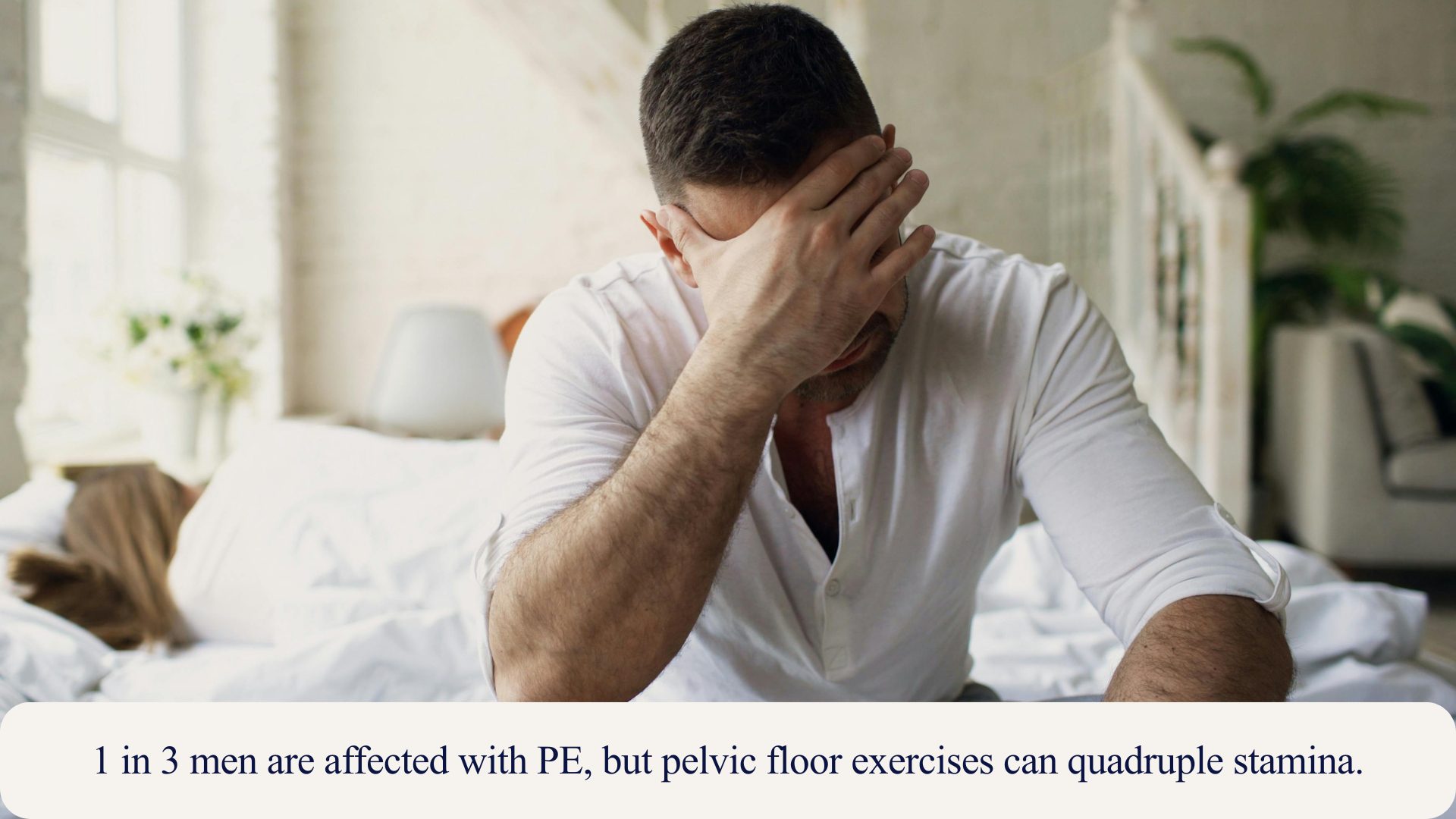
As an Andrologist, I often see young men in their 20s who are physically fit but deeply frustrated by premature ejaculation (PE). They often ask me, “Is there something wrong with my biology?” My answer is usually a surprise: Your biology is often fine, but your lifestyle is sending it the wrong signals.
In my clinical experience, for men aged 18–30, PE is frequently an “acquired” response to modern triggers. Here is how your daily habits are essentially “training” your body to finish too early.
1. The “Always-On” Nervous System
We live in a state of chronic sympathetic dominance—the “fight or flight” mode. When you are constantly checking notifications or dealing with high-pressure work, your cortisol levels stay elevated.
Research published in Chronobiology in Medicine (2024) highlights that excessive blue light exposure from smartphones suppresses melatonin and spikes nighttime cortisol. For my patients, this is a double-edged sword. High cortisol lowers the threshold for the ejaculatory reflex, meaning your nervous system is literally on a hair-trigger. If your brain thinks you’re under threat (stress), it prioritizes finishing the act quickly over sustained pleasure.
2. The Gut-Serotonin Connection
Most people are shocked to learn that 90% of your serotonin—the primary neurotransmitter responsible for delaying ejaculation—is produced in your gut, not your brain.
Recent 2025 studies in Andrology have begun mapping the “gut-ejaculation axis.” Diets high in ultra-processed foods cause gut dysbiosis (an imbalance of bacteria), which can lead to “Neurotransmitter Volatility.” If your gut health is poor, your brain may not have enough serotonin to signal the “wait” command during arousal. I tell my patients: your diet doesn’t just affect your waistline; it dictates your neurochemistry.
3. The Sedentary Pelvis and Metabolic Markers
Many young professionals in India spend 8–10 hours a day sitting. This leads to a Hypertonic Pelvic Floor—muscles that are “locked” in a tight position. During sex, these muscles need to be able to relax to delay climax. If they are already fatigued from sitting, they spasm and trigger ejaculation prematurely.
Furthermore, emerging 2025 data shows that Metabolic Syndrome (even early-stage insulin resistance) is an independent risk factor for acquired PE. It impairs vascular health and alters the sensitive hormonal balance required for stamina.
4. Digital Conditioning (The Dopamine Shortcut)
I often discuss “High-Speed Conditioning” with my younger patients. If your primary sexual outlet is high-speed digital content, you are inadvertently training your brain to seek the fastest path to a dopamine reward. Over time, your neural pathways hardwire a “shortcut,” making it difficult to downshift into the slower, more rhythmic pace of partnered intimacy.
My “Stamina Protocol” for Patients
If you are struggling, I recommend starting with these lifestyle “biohacks” before jumping to medication:
- The 2-Hour Digital Sunset: Switch off all blue-light screens two hours before bed to lower cortisol and stabilize your nervous system.
- Reverse Kegels: Instead of squeezing, practice lengthening the pelvic floor. Think of it as an “active relaxation” of the muscles you use to stop urination.
- Magnesium and Zinc Supplementation: These minerals are crucial for nerve conduction and testosterone stability.
- Prioritize Gut Diversity: Incorporate fermented foods or high-quality prebiotics to support your serotonin production.
When to See a Specialist
While lifestyle changes are powerful, they aren’t a cure-all. If you’ve had this issue since your very first sexual encounter (Lifelong PE), or if you notice sudden changes alongside pain, it’s time to consult an expert. As a specialist, I can help rule out underlying issues like thyroid dysfunction or chronic prostatitis.
Frequently Asked Questions
1. Is premature ejaculation (PE) a permanent condition?
No, it is not. For most men, PE is a manageable condition. Whether it is caused by high stress or pelvic tension, we can usually resolve it through lifestyle modifications or targeted clinical therapy. I’ve seen significant improvement in patients who consistently follow a structured treatment plan.
2. Can excessive masturbation or “nightfall” cause PE?
This is a common myth. Neither masturbation nor “nightfall” (nocturnal emission) physically damages your system. However, the habit of masturbating quickly to avoid being caught can “program” your brain for rapid climax. My goal is to help you “unlearn” that fast-paced conditioning.
3. Does wearing a condom help me last longer?
Yes, it can. Condoms slightly reduce penile sensitivity, which can delay the ejaculatory reflex. For many of my younger patients, this small reduction in stimulation is enough to provide better control while they work on longer-term lifestyle changes like pelvic floor exercises.
4. Can my diet really affect my sexual stamina?
Absolutely. Your body needs specific nutrients like Zinc and Magnesium to regulate nerve signaling and muscle relaxation. Furthermore, since your gut produces much of your serotonin—the “stop signal” for ejaculation—a diet high in processed foods can directly interfere with your ability to stay in control.
5. How long should a “normal” sexual encounter last?
There is no “perfect” number, but medical research defines the average interval before ejaculation as roughly 5 to 7 minutes. If you consistently climax in under one minute, I recommend a consultation. However, the most important metric is whether you and your partner feel satisfied.