
In my years of practice as a Urologist and Andrologist, I have spoken with countless men in their 20s who walk into my clinic feeling a deep sense of shame. They often believe they are “broken” or uniquely flawed. If you are reading this, I want to start by being very clear: you aren’t.
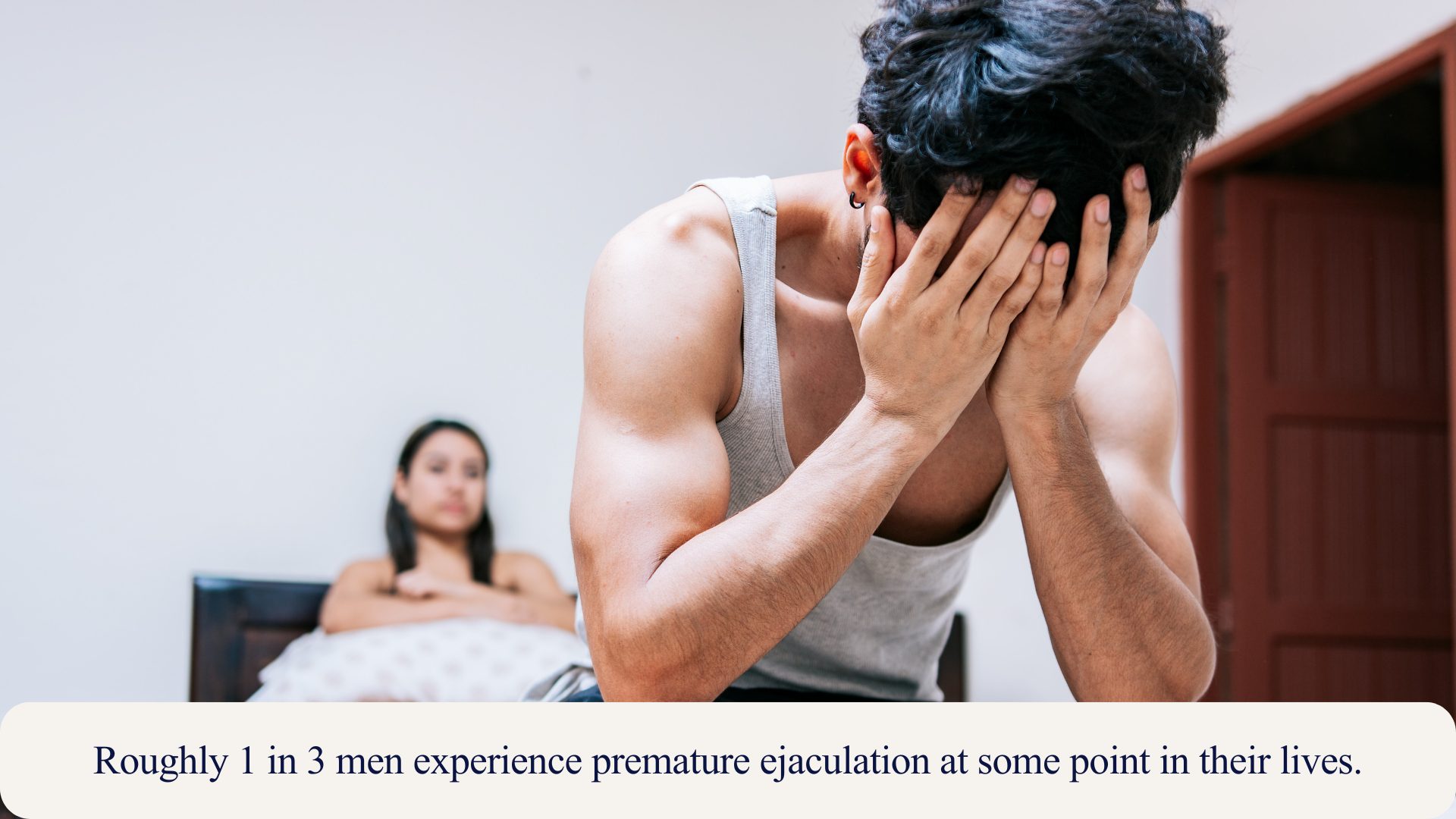
Premature Ejaculation (PE) is perhaps the most common sexual health concern I treat. Research indicates that approximately 30% to 40% of men will experience this at some point in their lives. My goal today is to move you from anxiety to action by answering the most important question: What is actually happening, and how do we fix it?
The Boundary: “Normal” vs. Clinical Concern
One of the biggest hurdles my patients face is the gap between “locker room talk” and medical reality. Many young men feel they have PE simply because they don’t last as long as a performer in a video.
Clinically, I look for three specific markers to diagnose PE:
- The Stopwatch: You consistently ejaculate within one to three minutes of penetration.
- The Control: You feel a near-total inability to delay the climax.
- The Distress: The timing is causing you or your partner significant personal distress or frustration.
If you last five minutes but wish it were ten, that is usually “subjective PE,” often fueled by unrealistic expectations. However, if you are consistently finishing before you or your partner is ready, especially under the one-minute mark, we categorize this as a medical concern that needs addressing.
Why is this happening in your 20s?
For men aged 18-30, the causes are rarely just “in your head,” though psychology plays a massive role.
- The Serotonin Brake: Think of Serotonin as the “brake” in your brain’s ejaculatory center. Low levels of this neurotransmitter can cause the “signal” to travel too fast.
- The Anxiety Loop: Early sexual experiences often involve “rushing” due to a lack of privacy. Your nervous system effectively “learns” to finish quickly, creating a conditioned reflex.
- Physical Inflammation: I often screen my younger patients for Chronic Prostatitis. Inflammation in the prostate can irritate the nerves and trigger an early climax.
How We Manage and Treat PE
The good news is that PE is highly treatable. In my experience, a combination of behavioral “re-training” and medical support yields the best results.
1. Re-Training the Reflex (The Behavioral Phase)
I often recommend the “Stop-Start” technique. During solo play or with a partner, you stimulate yourself until you are just about to reach the “point of no return,” then stop completely for 30 seconds. Repeat this three times before allowing yourself to finish. This teaches your brain to recognize and stay at the “plateau” phase longer.
2. Pelvic Floor Mastery
Many men don’t realize they have a “muscle brake.” By performing Kegel exercises, you strengthen the ischiocavernosus and bulbocavernosus muscles. When you feel the urge to ejaculate, a strong, conscious contraction of these muscles can actually help suppress the reflex.
3. Medical Interventions
If behavioral changes aren’t enough, I may prescribe:
- Topical Agents: Lidocaine or benzocaine sprays can desensitize the glans (the head of the penis). My professional tip: apply it 10-15 minutes before sex and wash it off or use a condom to avoid numbing your partner.
- Oral Medications: Certain medications, like Dapoxetine (specifically designed for PE) or off-label SSRIs, can increase serotonin levels and significantly delay the ejaculatory signal. According to the Journal of Sexual Medicine, these can increase “latency time” by 200% to 300%.
The Specialist’s Perspective
What most websites won’t tell you is that PE is often linked to how you breathe. When men get anxious, they hold their breath, which triggers the “fight or flight” response and accelerates ejaculation. I tell my patients to focus on deep, diaphragmatic belly breathing to keep the nervous system calm.
Your Next Steps
You don’t have to navigate this alone. PE is a physiological reflex, not a reflection of your masculinity. Most of my patients see significant improvement within 4 to 8 weeks of following a structured plan.
Frequently Asked Questions (FAQs)
1. Does frequent masturbation in my youth cause PE later in life?
No. This is a common myth. Masturbation doesn’t physically “damage” your system. However, “rushed” masturbation, hurrying to finish for privacy, can train your brain to climax quickly. Re-training your body with the stop-start method can successfully reverse this habit.
2. Can Ayurvedic remedies like Ashwagandha or Shilajit help?
Yes, but they work best as supplements to behavioral therapy. Ashwagandha helps reduce performance anxiety by lowering cortisol, while Shilajit can support overall vitality. However, for a clinical diagnosis, these should be part of a broader plan supervised by a specialist.
3. Does PE lead to infertility or “weakness” in the future?
Absolutely not. PE is a timing issue, not a sperm quality or fertility issue. It does not mean you are physically weak or unable to father children. It simply means your “ejaculatory reflex” is triggered faster than you’d like.
4. Can my diet, like eating “hot” or “cold” foods, affect my timing?
While some traditional beliefs suggest “hot” foods (like eggs or onions) increase speed, there is no clinical evidence for this. I focus on a balanced diet rich in Zinc and Magnesium, which are scientifically proven to support neurological health and ejaculatory control.
5. Is there a permanent “one-time” cure for PE?
I prefer to call it “mastery” rather than a one-time cure. Most men gain lasting control through a combination of pelvic floor exercises and temporary medication. Once your brain and muscles “learn” the new timing, you often won’t need further medical intervention.