
Varicocele is a common condition I often see in my urology practice. It affects nearly 15% of men and up to 40% of those evaluated for infertility. In India, many young men silently suffer due to lack of awareness or delayed diagnosis. When patients ask me about the best treatment, I often recommend microsurgical varicocelectomy, especially for those dealing with infertility or testicular discomfort.
In this article, I’ll walk you through what varicocele is, why microsurgical varicocelectomy stands out, and what benefits and risks you should be aware of.
What Is a Varicocele?
A varicocele is an enlargement of the veins within the scrotum, similar to varicose veins in the legs. It’s most commonly found on the left side and can impair sperm production, cause discomfort, or even lead to testicular shrinkage (atrophy). While some men may not experience any symptoms, others may notice a dull ache or swelling, especially after prolonged standing or physical activity.
Available Treatments for Varicocele
Several treatment options exist, including:
- Open surgery
- Laparoscopic surgery
- Percutaneous embolization
- Microsurgical varicocelectomy
Among these, microsurgical varicocelectomy is widely considered the gold standard, especially in terms of success rate and safety profile.
What Is Microsurgical Varicocelectomy?
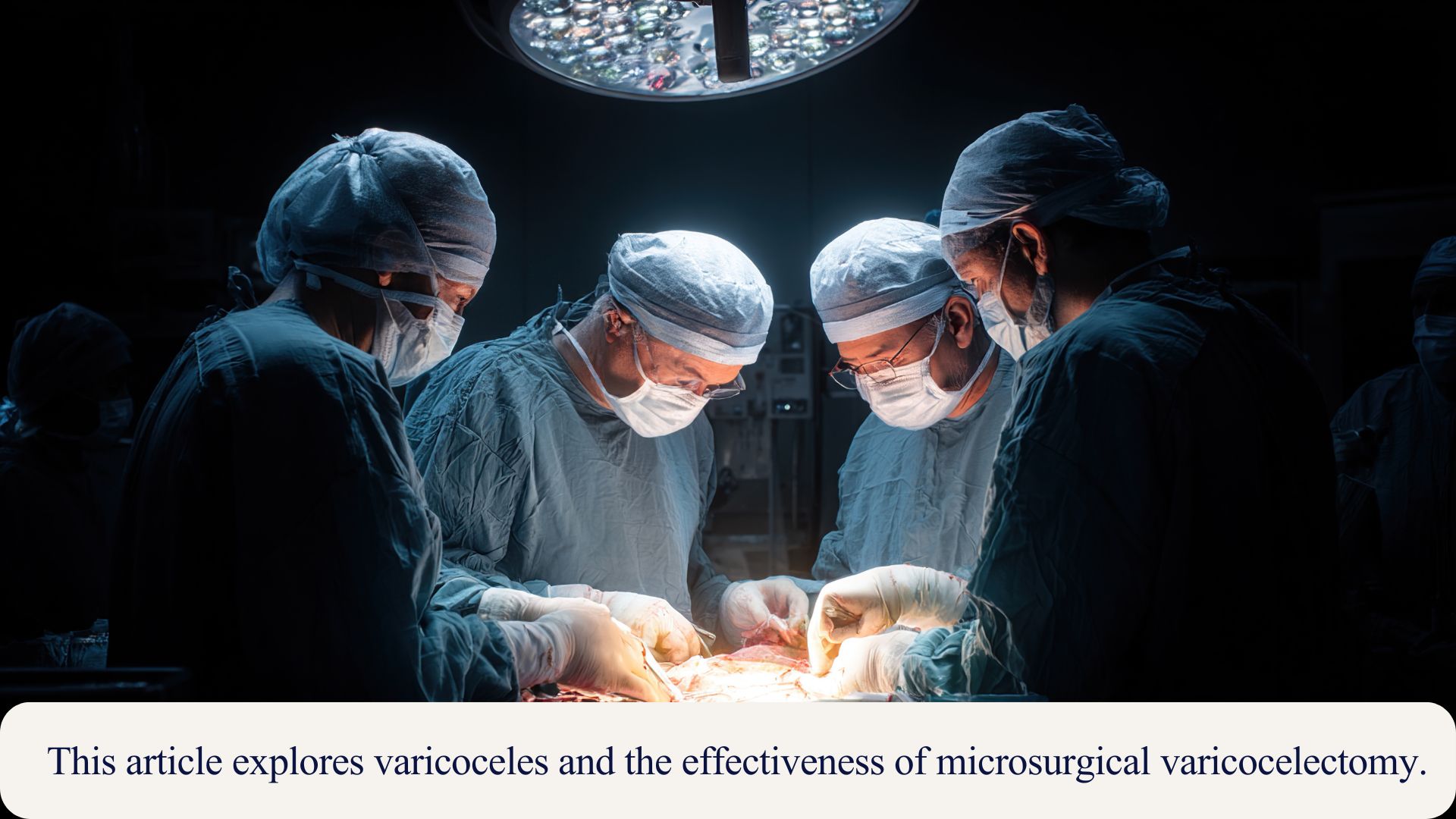
This procedure involves using an operating microscope to precisely locate and ligate the abnormal veins while preserving important structures such as arteries and lymphatics. I perform this surgery through a small incision near the groin under general or local anesthesia. The enhanced visualization dramatically reduces complications and recurrence.
Key Benefits of Microsurgical Varicocelectomy
1. High Success Rates
- Microsurgical varicocelectomy offers a success rate of over 90% in improving semen quality. Studies have shown that up to 60% of men see improved fertility post-surgery (Nadler et al., Urology, 2013).
2. Low Recurrence
- Recurrence rates are under 1%, compared to 10-15% with conventional surgery. The precision of microsurgery minimizes missed or improperly ligated veins.
3. Minimal Complications
- Because the microscope allows us to avoid injuring the testicular artery and lymph vessels, the risk of complications like hydrocele formation or testicular damage is significantly reduced.
4. Faster Recovery
- Most of my patients resume light activity within 2–3 days and return to work in about a week. Full recovery generally takes two weeks.
Potential Risks and Limitations
Like any surgical procedure, microsurgical varicocelectomy is not without risks. However, they are rare and typically minor:
- Infection or hematoma (blood collection) at the incision site
- Hydrocele formation (fluid around the testicle), although this occurs in less than 1% of cases
- Injury to the testicular artery, also less than 1% when performed microsurgically
- Anesthesia-related issues, such as allergic reactions or nausea
Choosing an experienced surgeon greatly reduces these risks.
Recovery and Aftercare
After the surgery, I advise patients to avoid strenuous physical activity, including gym workouts and heavy lifting, for at least two weeks. Mild swelling or discomfort is common initially. Regular follow-ups help monitor recovery and evaluate semen parameters, especially for couples trying to conceive.
What Should Indian Patients Know?
Cost and Accessibility
In India, the cost of microsurgical varicocelectomy ranges from ₹50,000 to ₹1,50,000, depending on the city and hospital. While this may seem high, it is often a one-time investment for those facing fertility issues. Many leading hospitals in metro cities offer this procedure with highly trained urologists.
Cultural Considerations
Many patients hesitate to seek treatment due to stigma or misinformation. Some believe varicocele is untreatable or that surgery might harm their masculinity. I make it a point to clarify that microsurgical varicocelectomy is safe and can significantly improve fertility outcomes.
Conclusion
Microsurgical varicocelectomy is a highly effective and low-risk solution for treating varicocele, particularly in men struggling with infertility. Its high success rate, minimal complications, and faster recovery make it the preferred choice for both doctors and patients. If you think you might have a varicocele, I encourage you to consult a urologist and explore whether this advanced surgical option is right for you.
Frequently Asked Questions
1. How soon can I resume normal activities after the surgery?
- Most patients return to daily activities within 1–2 weeks, with full recovery in about 2–4 weeks.
2. Will the surgery improve my fertility?
- Yes, microsurgical varicocelectomy can enhance sperm quality and increase fertility rates.
3. Is the procedure painful?
- The surgery is performed under anesthesia, ensuring minimal discomfort during the procedure.
4. Are there any risks associated with the surgery?
- While rare, potential risks include infection, hydrocele formation, or recurrence.