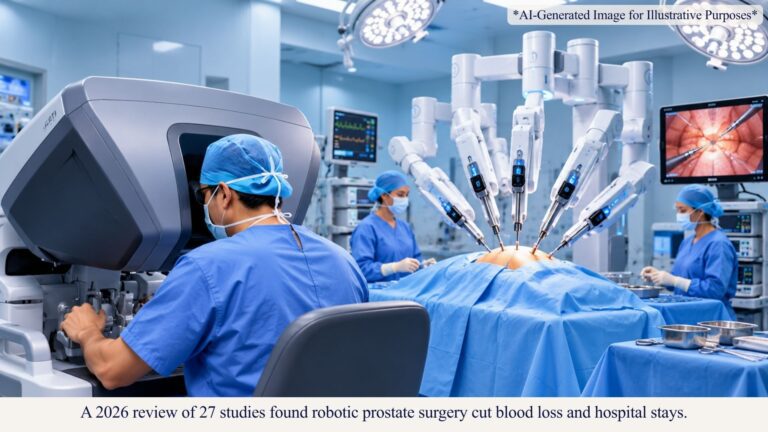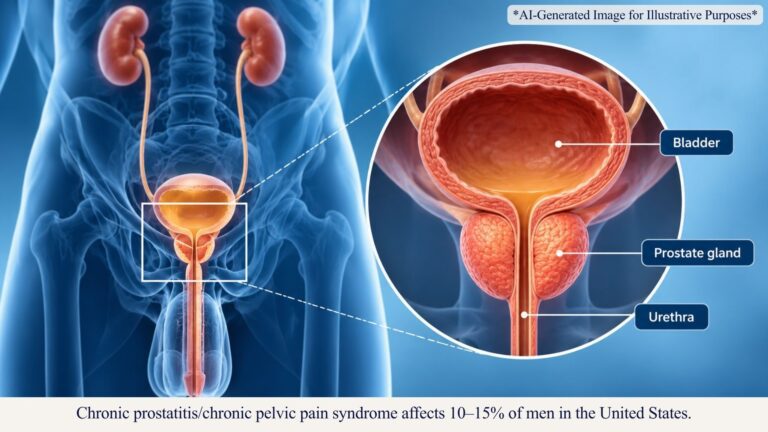
If you need surgery for a prostate, kidney, ureter, or bladder condition, your urologist may recommend robotic-assisted surgery. But is it the right choice for you?
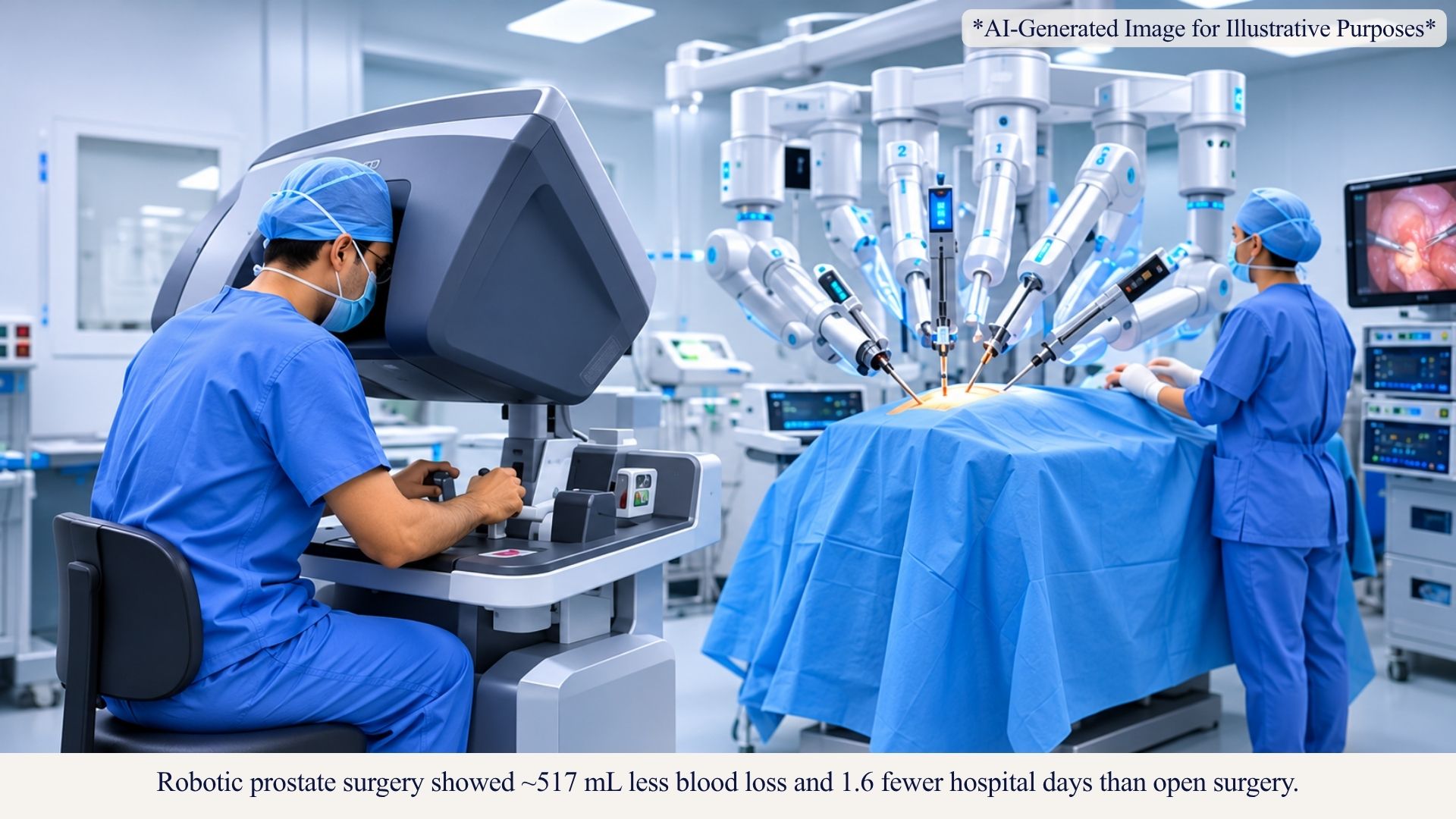
Robotic surgery can offer greater instrument control, a magnified view, and smaller incisions. It may also reduce blood loss and shorten hospital stays in certain procedures. However, it does not guarantee better results for every patient.
As a urologist, I believe patients should understand their treatment options before making a decision. Let me explain how robotic surgery works, its benefits and risks, and when it may be suitable for you.
What Is Robotic Surgery in Urology?
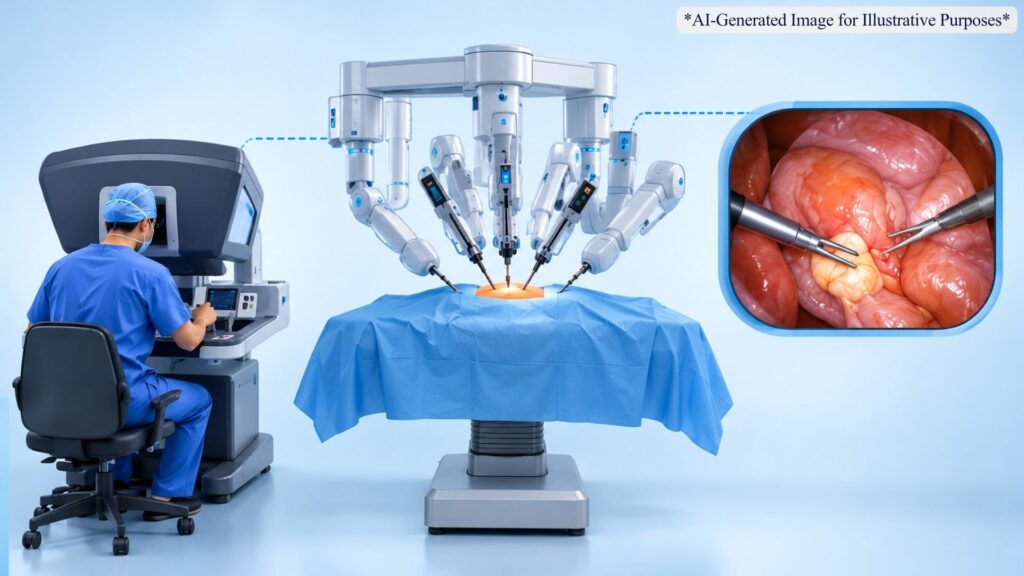
Robotic-assisted surgery allows me to perform an operation using specialised instruments controlled from a console. A camera provides a magnified, three-dimensional view of the surgical area.
The robot does not operate independently. I control every movement throughout the procedure.
This technology can help me perform precise movements in confined spaces, particularly during complex operations inside the abdomen or pelvis.
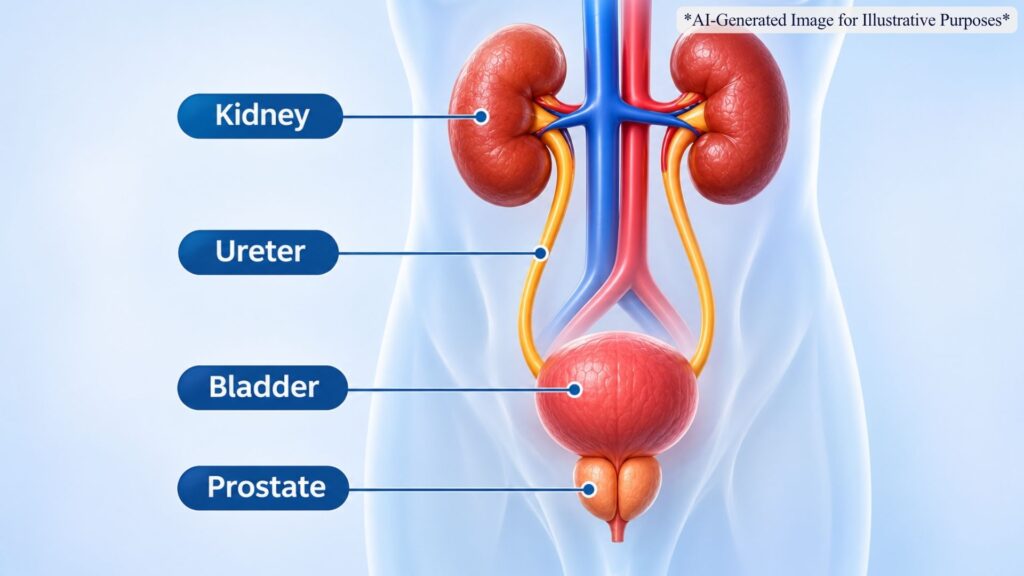
Which Urological Conditions Can Be Treated With Robotic Surgery?
Robotic surgery can treat several urological conditions, depending on the patient’s diagnosis and surgical needs.
- Prostate: Robotic radical prostatectomy removes the prostate in selected patients with prostate cancer. I also consider the potential effects on urinary control and sexual function.
- Kidney: Robotic surgery can remove a kidney tumour while preserving healthy kidney tissue when appropriate. In other cases, removing the entire kidney may be necessary.
- Ureter: Robotic surgery can reconstruct narrowed or blocked sections of the ureter and treat certain other conditions.
- Bladder: Selected patients with bladder cancer may undergo robotic bladder removal and urinary reconstruction.
Not every condition requires robotic surgery. I consider the diagnosis, disease extent, available alternatives, and the patient’s overall health before recommending an approach.
What Are the Benefits of Robotic Surgery?
Robotic surgery offers several potential benefits:
- Smaller incisions than many open operations.
- Less blood loss in certain procedures.
- Potentially less postoperative pain.
- Shorter hospital stays in appropriate cases.
- Improved instrument movement and visualisation during complex operations.
These benefits depend on the procedure and the surgeon’s experience. Smaller incisions do not automatically mean fewer complications or better long-term results.
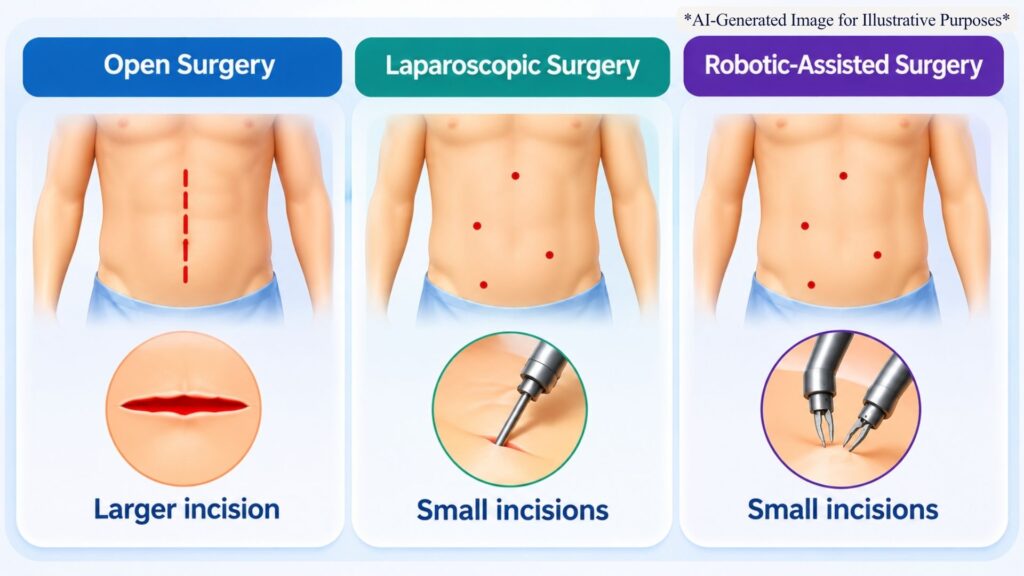
Robotic Surgery vs. Laparoscopic Surgery vs. Open Surgery
Open surgery uses a larger incision to access the surgical area. Laparoscopic surgery uses small incisions and instruments controlled directly by the surgeon. Robotic surgery also uses small incisions, but the surgeon controls specialised instruments from a console.
Robotic instruments can offer greater movement and a three-dimensional view. However, conventional laparoscopic surgery can achieve excellent results for many procedures, while open surgery remains appropriate in selected cases.
I recommend the approach that best suits the patient’s condition rather than choosing a technique simply because it uses newer technology.

Is Robotic Surgery Safe? What Are the Risks?
Robotic surgery is an established option for many urological operations, but no major surgery is risk-free.
Possible complications include bleeding, infection, blood clots, anaesthesia-related problems, and injury to nearby organs. The risks also depend on the operation.
After prostate surgery, some patients experience urinary incontinence or erectile dysfunction. Kidney and bladder operations carry their own procedure-specific risks.
In some cases, the surgeon may need to switch to open surgery to manage an unexpected problem safely.
The most important point is that robotic surgery does not eliminate surgical risks. Your urologist should explain the likely benefits and complications based on your individual condition.

How Long Does Recovery Take After Robotic Surgery?
Recovery varies according to the procedure, your general health, and whether complications occur.
Many patients can begin walking soon after surgery. Some return home within a few days, while more complex procedures may require a longer hospital stay.
Recovery after prostate removal differs from recovery after kidney surgery or bladder removal with urinary reconstruction. You may also need a catheter, follow-up tests, or rehabilitation.
Follow your surgeon’s instructions and seek medical advice if you develop fever, worsening pain, heavy bleeding, difficulty passing urine, or other concerning symptoms.
Does Robotic Surgery Always Produce Better Results?
No. Robotic technology can improve surgical control, but it does not guarantee better outcomes.
For cancer surgery, the stage and location of the tumour remain important. After prostate surgery, urinary control and sexual function depend on several factors. Kidney surgery must also account for preserving kidney function whenever possible.
My recommendation depends on the expected benefits, potential risks, surgical complexity, and my experience with the procedure. In some cases, laparoscopic or open surgery may be the more appropriate option.

What Should You Ask Your Urologist Before Choosing Robotic Surgery?
Before deciding, ask your urologist:
- Is robotic surgery suitable for my specific condition?
- Why do you recommend it over other surgical approaches?
- What benefits and complications should I expect?
- How much experience do you have with this particular operation?
- How might surgery affect my urinary, sexual, or kidney function?
- What will recovery involve, and what will the treatment cost?
These questions can help you make an informed decision.
Final Thoughts: Is Robotic Surgery Right for You?
Robotic surgery can be an effective option for selected prostate, kidney, ureter, and bladder conditions. It may offer advantages in surgical precision, blood loss, and recovery, but the benefits vary from patient to patient.
I encourage you to discuss all available options with your urologist before making a decision. The right surgical approach is the one that best addresses your condition while considering your safety, long-term health, and quality of life.
If you have been advised to undergo urological surgery, consult your urologist to understand whether a robotic approach is appropriate for you.
What Indian patients most want to know
I reviewed patient-facing information from Indian hospital websites, including Apollo Hospitals and Medanta. The recurring questions focus on cost, safety, suitability, recovery time, and whether robotic surgery is better than traditional surgery. These are recurring themes in published FAQs, not a statistically verified ranking of Indian search queries.

Procedure, Cost, Risks and Recovery
+4
For your article, I recommend these five FAQs. They address the main decision patients face while covering practical concerns that may influence their choice.
Frequently Asked Questions About Robotic Urology Surgery
1. Is robotic surgery safe for prostate, kidney, or bladder conditions?
Robotic surgery is an established option for selected urological conditions. Like any major operation, it carries risks. I assess your diagnosis, overall health, and surgical needs before recommending the safest suitable approach.
2. How much does robotic urology surgery cost in India?
The cost depends on the procedure, hospital, surgical complexity, and length of stay. I recommend requesting an itemised estimate that includes the operation, hospital charges, medicines, investigations, and follow-up care.
3. Is robotic surgery better than open surgery?
Robotic surgery may reduce blood loss, incision size, and hospital stay in selected procedures. However, it is not always superior. I recommend the approach that best suits your condition and offers the most appropriate balance of benefits and risks.
4. How long does recovery take after robotic urology surgery?
Recovery depends on the procedure and your overall health. Some patients resume light activities within a few weeks, while complex operations require longer recovery. I provide individual instructions based on your progress and the type of surgery performed.
5. Who is eligible for robotic prostate, kidney, ureter, or bladder surgery?
Eligibility depends on your diagnosis, disease extent, overall health, and the complexity of the operation. I review your medical history and investigation results to determine whether robotic surgery, another surgical approach, or a different treatment is most appropriate.