Chronic prostatitis can cause ongoing pelvic pain, urinary problems, and discomfort during or after ejaculation. These symptoms can affect daily activities, sleep, and sexual well-being. However, not every case involves a bacterial infection, and the right treatment depends on the underlying cause.
As a urologist, I recommend understanding the condition before deciding on treatment. In this article, I will explain what chronic prostatitis is, its symptoms and causes, how doctors diagnose it, and which treatment options may help.
What Is Chronic Prostatitis?
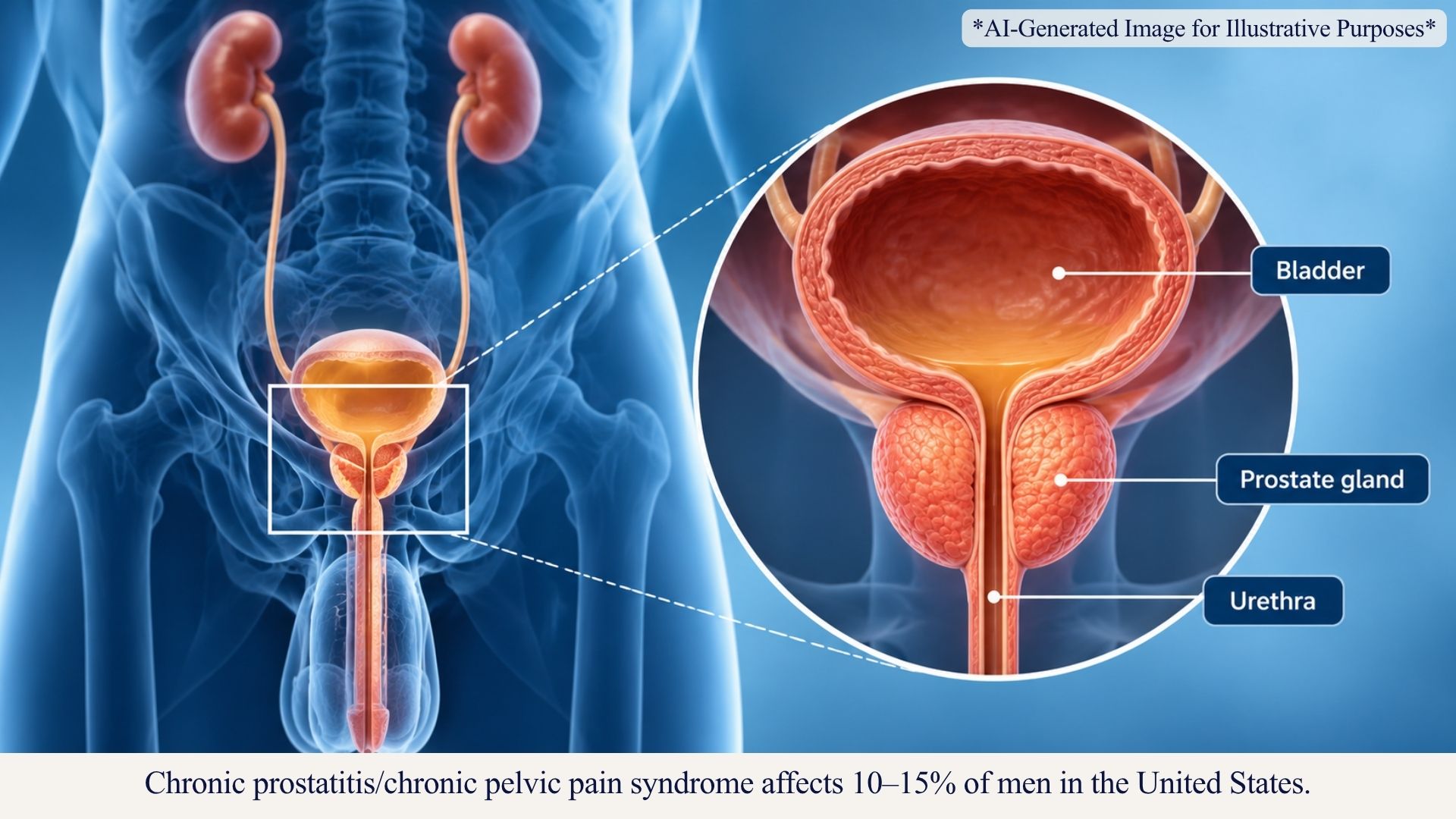
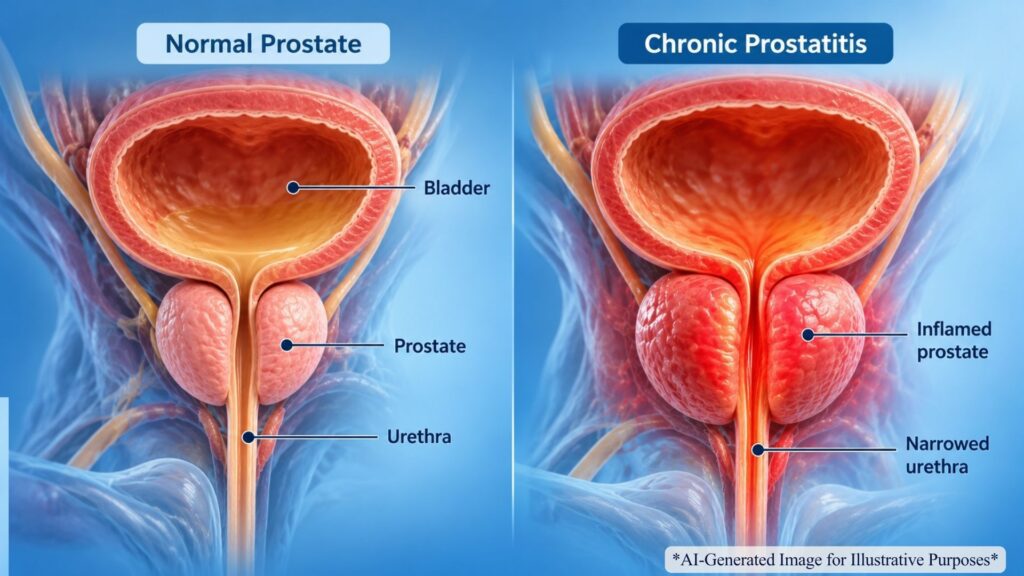
Chronic prostatitis is a condition associated with persistent or recurring pelvic pain and, in some cases, urinary or sexual symptoms. The prostate is a small gland located below the bladder and in front of the rectum. It produces fluid that forms part of semen.
The term chronic prostatitis covers different conditions. Chronic bacterial prostatitis results from a persistent or recurring bacterial infection. Chronic prostatitis/chronic pelvic pain syndrome (CP/CPPS), on the other hand, causes pelvic pain without a confirmed bacterial infection explaining the symptoms.
The National Institute of Diabetes and Digestive and Kidney Diseases (NIDDK) estimates that CP/CPPS affects approximately 10–15% of the male population in the United States. This figure highlights the importance of recognising and addressing persistent pelvic pain.
How Does Chronic Prostatitis Differ From Acute Prostatitis?
Acute bacterial prostatitis usually develops suddenly. It can cause fever, chills, painful urination, and significant pelvic discomfort. Chronic prostatitis develops over time or involves symptoms that persist or return.
Chronic bacterial prostatitis may cause repeated urinary infections. CP/CPPS can continue even when tests do not identify a bacterial infection. This distinction matters because antibiotics treat bacterial infections but do not address every cause of chronic pelvic pain.
What Are the Symptoms of Chronic Prostatitis?
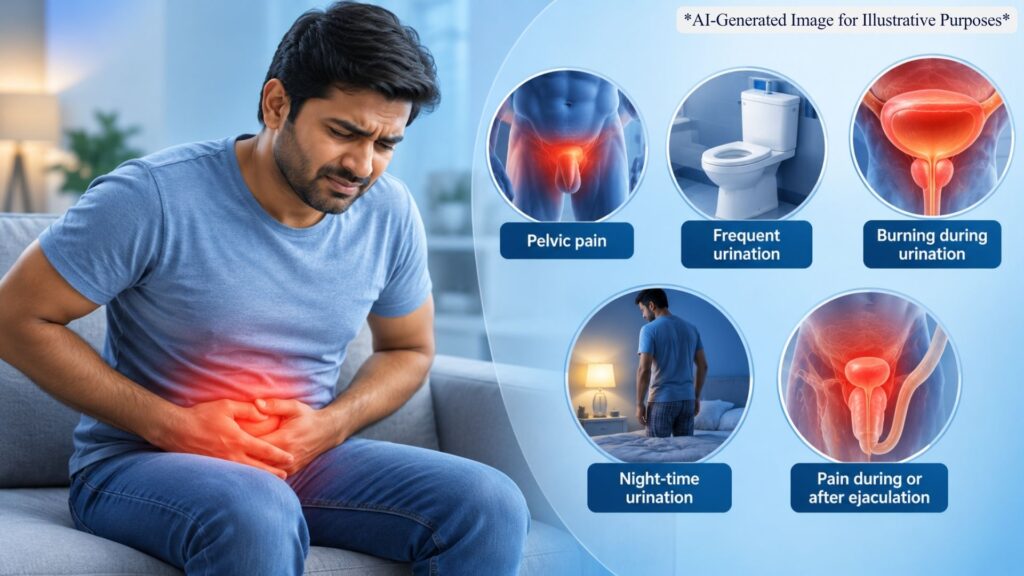
Symptoms vary from one person to another. Common symptoms include:
- Pelvic pain: Discomfort in the area between the scrotum and anus, lower abdomen, groin, penis, or lower back.
- Urinary problems: Frequent urination, sudden urges to urinate, burning during urination, or difficulty starting the urine stream.
- Night-time urination: Waking repeatedly to pass urine.
- Sexual discomfort: Pain during or after ejaculation.
- Recurring symptoms: Periods of discomfort followed by temporary relief.
Not every man experiences all these symptoms. Similar problems can also occur with urinary tract infections, bladder conditions, or other pelvic disorders. A proper medical assessment helps identify the likely cause.
What Causes Chronic Prostatitis?
The cause depends on the type of prostatitis.
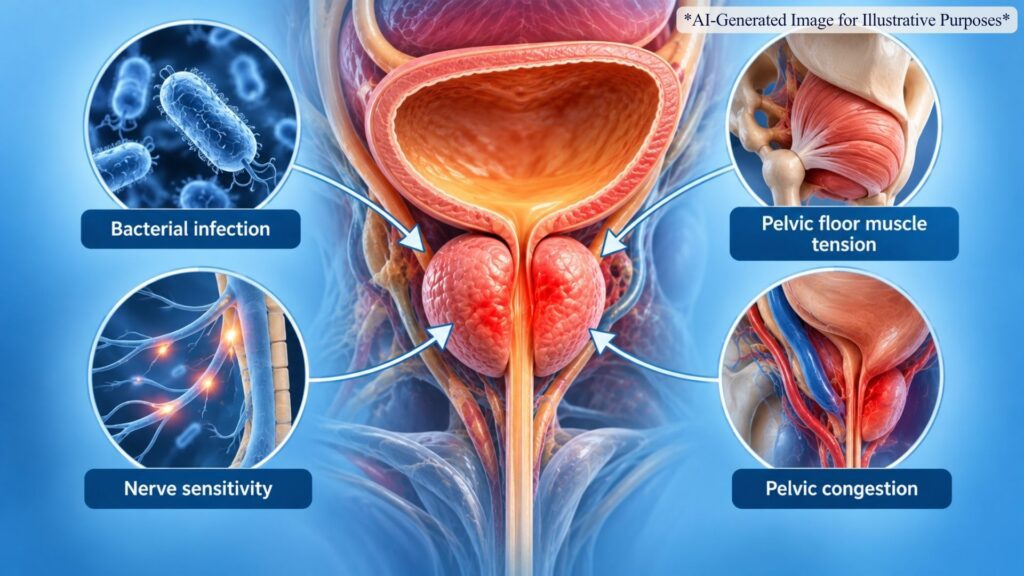
Bacterial infection: Chronic bacterial prostatitis develops when bacteria cause a persistent or recurring infection. Previous urinary infections can provide important clues during diagnosis.
Pelvic floor muscle tension: Tight or poorly coordinated pelvic floor muscles may contribute to pain and urinary symptoms in some men.
Nerve sensitivity: In CP/CPPS, changes in pain processing may contribute to persistent discomfort even when doctors cannot identify an active infection.
Stress and other contributing factors: Stress may worsen symptoms and make pain harder to manage. This does not mean the pain is imaginary or purely psychological.
In many cases of CP/CPPS, doctors cannot identify one specific cause. More than one factor may contribute to the symptoms.

How Is Chronic Prostatitis Diagnosed?
I begin by reviewing the patient’s symptoms, medical history, and any previous urinary infections. I may recommend a physical examination, urine tests, and a urine culture to look for signs of infection.
Depending on the findings, I may suggest further tests to investigate other possible causes. These may include bladder problems, urinary stones, or pelvic floor muscle dysfunction.
Normal urine test results do not automatically rule out CP/CPPS. Doctors consider the complete clinical picture rather than relying on a single test.
What Are the Treatment Options for Chronic Prostatitis?
Treatment depends on the diagnosis and the symptoms affecting the patient.
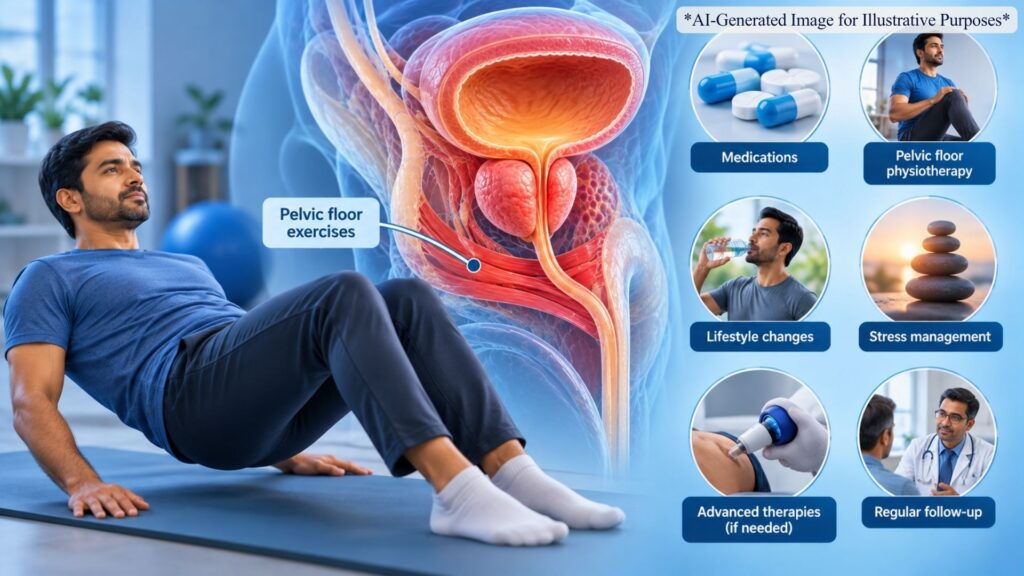
- Antibiotics: These are appropriate for bacterial prostatitis. Repeated antibiotic courses are not routinely appropriate when there is no evidence of bacterial infection.
- Medicines for urinary symptoms: A doctor may prescribe alpha-blockers for selected patients who have difficulty passing urine or other urinary symptoms.
- Pain relief: Appropriate pain-relief medicines may help some patients, depending on their medical history and individual needs.
- Pelvic floor physiotherapy: Patients with pelvic floor muscle problems may benefit from treatment by a trained physiotherapist.
- Lifestyle changes: Regular physical activity, movement breaks, and identifying personal symptom triggers may help some patients manage their symptoms.
- Support for persistent pain: Relaxation techniques and psychological support may help when ongoing pain affects sleep, mood, or daily life.
I tailor treatment to the patient’s symptoms and findings. Some patients need a combination of approaches, along with follow-up appointments to assess progress.
Can Chronic Prostatitis Be Cured Permanently?
Treatment outcomes vary. Some patients experience substantial relief, while others have recurring symptoms that require ongoing management. Chronic bacterial prostatitis may improve with appropriate antibiotics, while CP/CPPS often requires a broader treatment approach.
If symptoms return, I recommend reassessing the diagnosis rather than automatically assuming that another course of antibiotics is necessary.
When Should You Consult a Urologist?
Consult a urologist if you experience persistent pelvic pain, recurring urinary problems, or pain during or after ejaculation.
Seek urgent medical attention if you cannot urinate or develop fever and chills alongside painful or frequent urination. Blood in the urine or severe urinary or lower abdominal pain also requires prompt medical assessment.
Conclusion
Chronic prostatitis can affect urinary health, pelvic comfort, and sexual well-being. However, not every case results from a bacterial infection, so treatment should match the underlying condition. If you experience persistent or recurring symptoms, consult a urologist for an appropriate evaluation. Identifying the likely cause is an important step towards managing symptoms and improving your quality of life.
Frequently Asked Questions
Q1. What are the common symptoms of chronic prostatitis?
Common symptoms include pelvic pain, discomfort in the lower abdomen or perineum, frequent urination, burning during urination, and pain during or after ejaculation. Symptoms vary between patients and may persist or recur.
Q2. Can chronic prostatitis occur without a bacterial infection?
Yes. Chronic prostatitis/chronic pelvic pain syndrome (CP/CPPS) can cause persistent pelvic pain without a confirmed bacterial infection. Treatment focuses on the patient’s symptoms and contributing factors rather than antibiotics alone.
Q3. What is the best treatment for chronic prostatitis?
Treatment depends on the cause and symptoms. Options may include antibiotics for bacterial infection, medicines for urinary symptoms or pain, pelvic floor physiotherapy, and lifestyle changes. I recommend a personalised treatment plan following medical evaluation.
Q4. Can chronic prostatitis be cured permanently?
Some patients achieve lasting relief, while others experience recurring symptoms. Chronic bacterial prostatitis may respond to appropriate antibiotics, whereas CP/CPPS often requires a combination of treatments and ongoing symptom management.
Q5. Can chronic prostatitis return after treatment?
Yes. Symptoms may return after treatment. However, recurrence does not always indicate a bacterial infection. I recommend reassessing the symptoms and diagnosis before deciding whether further treatment is necessary.These answers reflect guidance from the NIDDK and current urological recommendations.