Robotic urologic surgery has changed how doctors perform several types of urinary and prostate operations. However, many patients in India still have questions about its safety, cost, recovery and effectiveness.
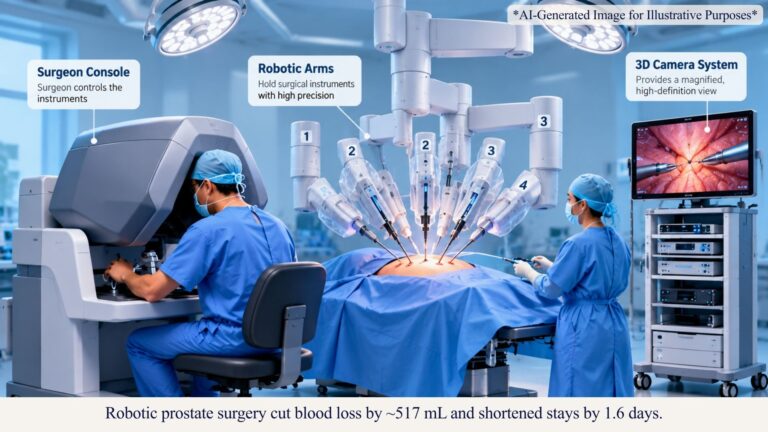
As a urologist, I believe patients should understand both the benefits and limitations of this technology before choosing surgery. Robotic surgery is not performed by a robot working independently. It is a surgical approach in which the surgeon controls specialised instruments.
Let me explain five common myths about robotic urologic surgery and the facts every patient should know.
What Is Robotic Urologic Surgery?
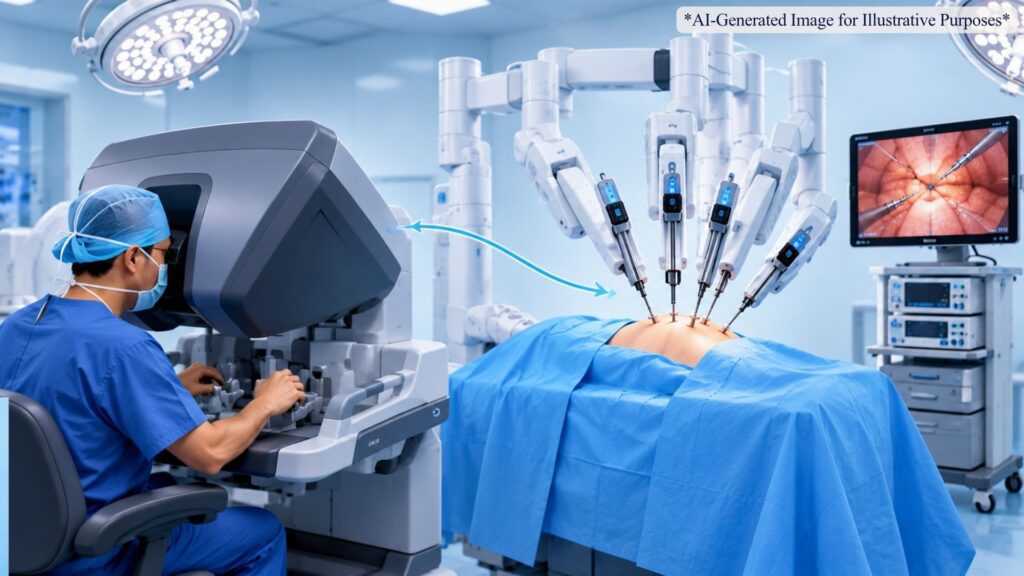
Robotic urologic surgery allows a surgeon to operate using specialised instruments attached to a robotic system. The surgeon controls these instruments from a console, often using a magnified 3D view of the surgical area.
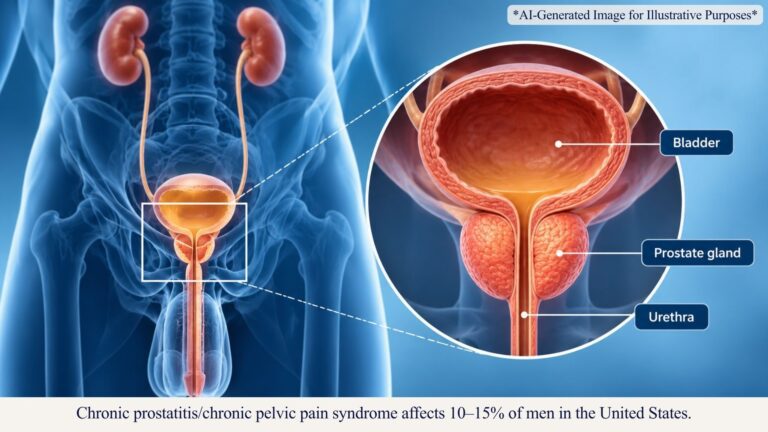
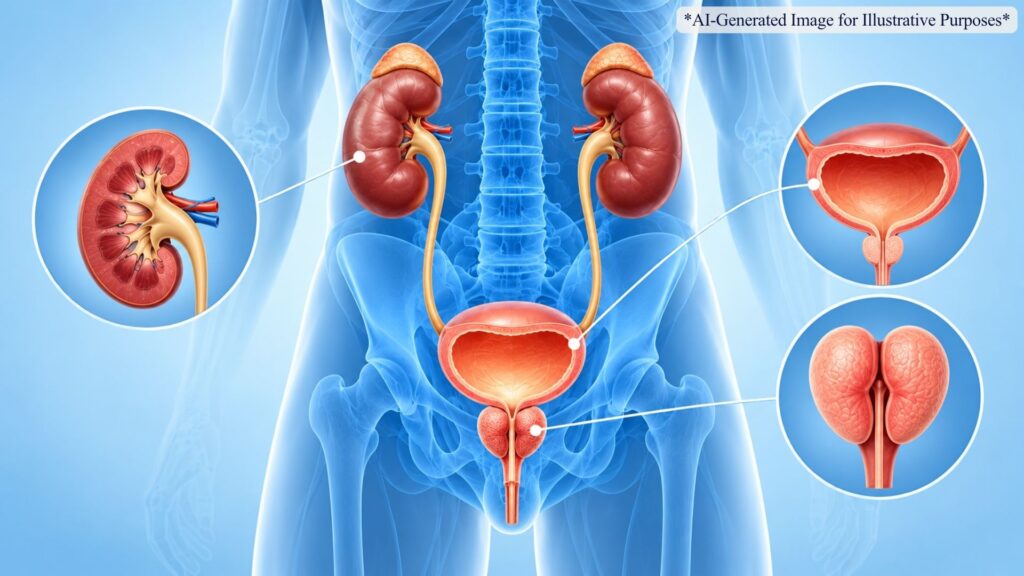
Doctors use this approach for selected prostate, kidney and bladder procedures. Its suitability depends on the patient’s condition and the operation required.
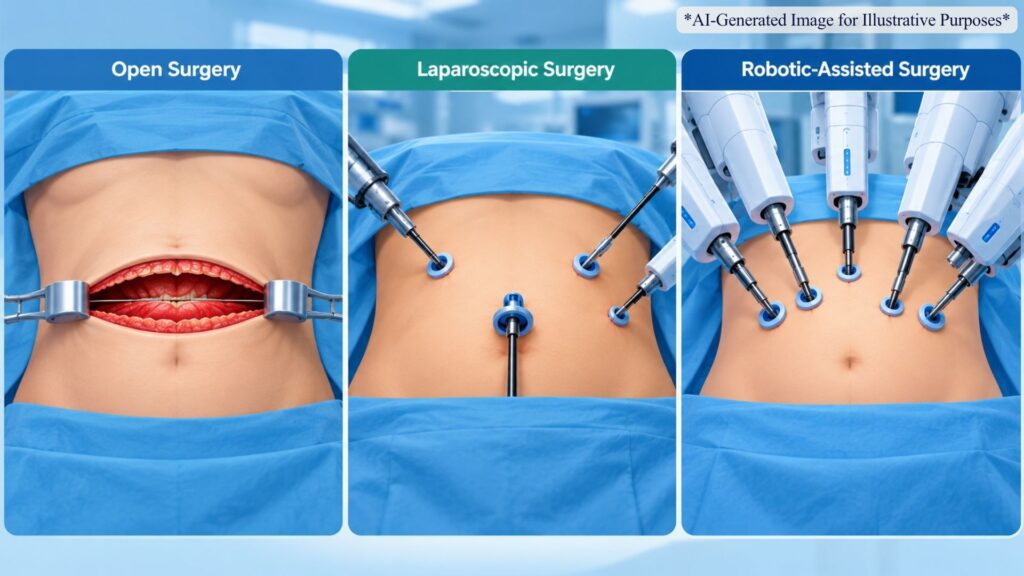
Myth 1: A Robot Performs the Surgery Without a Surgeon
The truth: The surgeon remains in control throughout the procedure.
The robotic system does not independently diagnose a condition, make surgical decisions or perform the operation on its own. The surgeon controls the instruments and guides every surgical movement.
The system can provide a magnified view and instruments that move with considerable flexibility. These features can help the surgeon perform complex procedures.
However, the technology does not replace surgical knowledge or experience. Patients should ask about their surgeon’s training and experience with the specific operation they need.
Myth 2: Robotic Surgery Is Always Better Than Traditional Surgery
The truth: Robotic surgery offers advantages in selected cases, but it is not the best option for everyone.
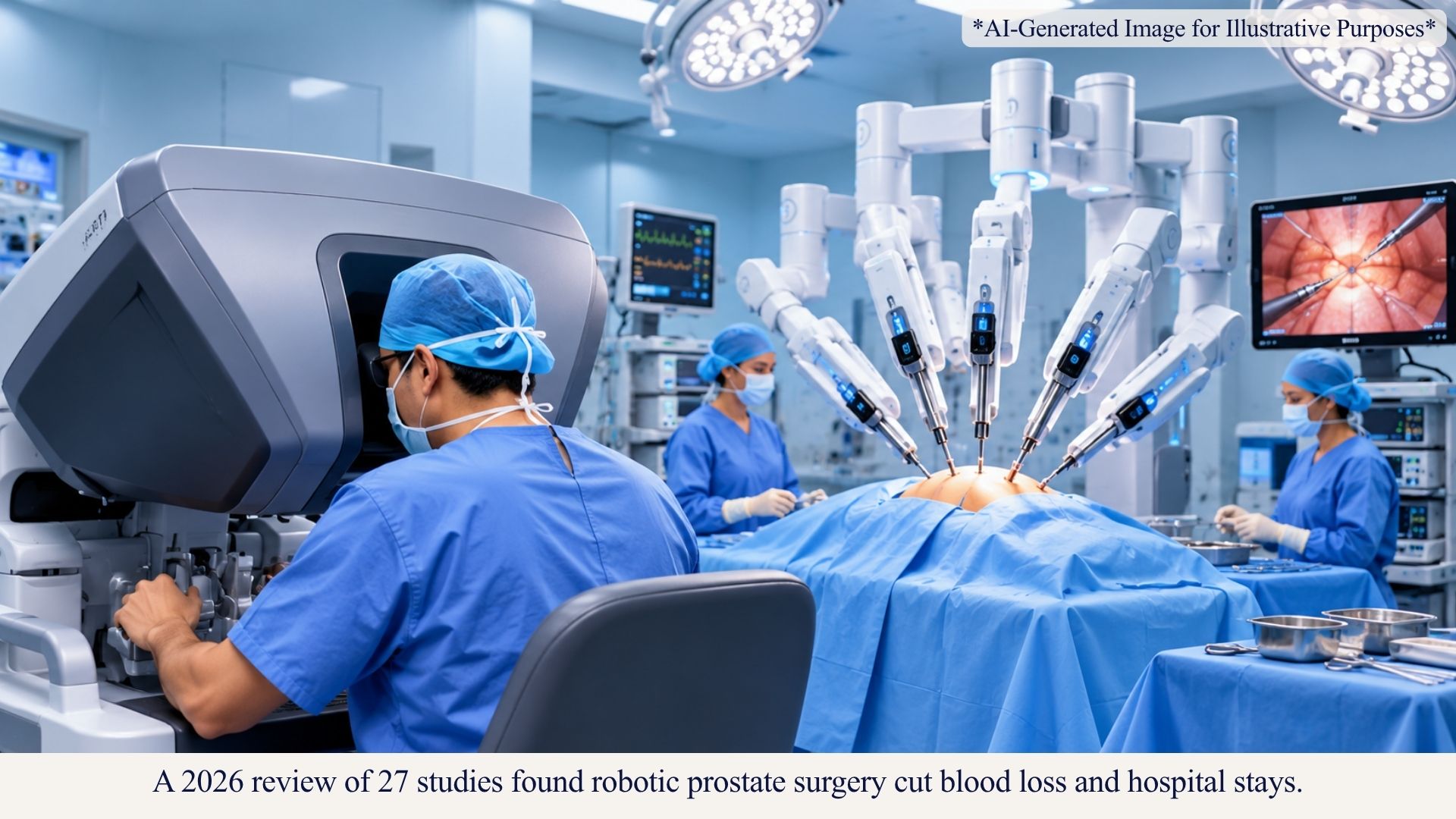
Robotic surgery may help reduce blood loss, shorten hospital stays and support recovery in certain procedures. A systematic review published in 2026 examined 27 studies involving 38,530 patients undergoing prostate cancer surgery and reported advantages in several short-term outcomes compared with open surgery.
However, these findings relate to prostate surgery and cannot automatically be applied to every urological procedure.
Open surgery, laparoscopic surgery and other treatments may still be appropriate. I recommend choosing an approach based on the patient’s condition, expected outcomes and the surgeon’s clinical judgement, rather than the technology alone.
Myth 3: Robotic Urologic Surgery Is Too Expensive in India
The truth: Robotic surgery may cost more, but the actual cost depends on several factors.
The robotic system, specialised instruments, hospital facilities and surgical requirements can affect the total expense. Costs also vary between hospitals and procedures.
Before making a decision, ask for an itemised estimate covering the surgeon’s fees, hospital stay, medicines, consumables and follow-up care. Check your health insurance policy for coverage limits, exclusions and pre-authorisation requirements.
A higher price does not automatically mean better results. Compare the expected benefits, risks and total cost with those of other suitable treatments.

Myth 4: Robotic Surgery Guarantees Faster Recovery and No Complications
The truth: Robotic surgery may support recovery, but complications remain possible.
Smaller incisions may help reduce pain, blood loss and hospital stay in selected procedures. However, robotic surgery still carries risks, including bleeding, infection, anaesthesia-related problems and complications specific to the operation.
Recovery also depends on the patient’s age, general health, the type of surgery and postoperative care.
For example, some patients undergoing prostate surgery may need a urinary catheter for a period after the operation. Returning home earlier does not mean that healing is complete.
I advise patients to discuss realistic recovery expectations and possible complications before consenting to surgery.
Myth 5: Robotic Surgery Is Suitable for Every Urological Patient
The truth: The right treatment depends on the patient’s diagnosis and individual circumstances.
Not every patient needs robotic surgery. The most appropriate approach depends on the condition, its severity, the patient’s overall health and the expected benefits of treatment.
Some patients may benefit from medication, active surveillance, endoscopic procedures or another surgical approach. For others, robotic surgery may offer important advantages.
Patients with prostate cancer should also understand that surgical recovery, cancer control and the preservation of urinary and sexual function are different outcomes. No surgical approach can guarantee a particular result.
A consultation with an experienced urologist can help determine which option best suits your needs.

What Should You Check Before Choosing Robotic Surgery?
Before making your decision, ask your urologist:
- Why do I need this operation?
- What are my alternatives to robotic surgery?
- What benefits and complications should I expect?
- How experienced are you with this specific procedure?
- What is the total treatment cost?
- What will my recovery and follow-up involve?
These questions can help you understand your options and make an informed decision.
Final Thoughts
Robotic urologic surgery can offer meaningful benefits for selected patients, but it is not a universal solution. The surgeon’s experience, the patient’s condition and the type of procedure all influence the decision.
I encourage patients to look beyond claims about advanced technology and focus on the evidence, expected outcomes and available alternatives.
If you are considering robotic urologic surgery, consult a qualified urologist to understand whether it is appropriate for your condition. An informed decision begins with a clear understanding of your treatment options.
Frequently Asked Questions About Robotic Urologic Surgery in India
1. Is robotic urologic surgery safe in India?
Robotic urologic surgery is an established option for selected procedures. Like other surgeries, it carries risks. I recommend discussing your condition, the surgeon’s experience, expected benefits and possible complications before making a decision.
2. How much does robotic urologic surgery cost in India?
The cost varies by procedure, hospital, city and case complexity. Robotic surgery may cost more than conventional surgery. Ask your hospital for an itemised estimate and confirm your insurance coverage before admission.
3. How long does recovery take after robotic urologic surgery?
Recovery depends on the procedure, your overall health and any complications. Some patients resume light activities within a few weeks, while complete recovery may take longer. Follow your surgeon’s instructions.
4. Does a robot perform urologic surgery without a surgeon?
No. The surgeon controls the robotic instruments throughout the operation. The system helps with visualisation and instrument movement, but it does not independently make surgical decisions or perform the procedure.
5. Is robotic surgery better than open or laparoscopic surgery?
Not always. Robotic surgery may offer benefits for selected procedures, but the best approach depends on your condition, the surgeon’s experience and the expected outcomes. I recommend comparing all suitable treatment options with your urologist.