Have your prostatitis symptoms improved with treatment, only to return weeks or months later? This can be frustrating, especially when you thought the problem had gone away.
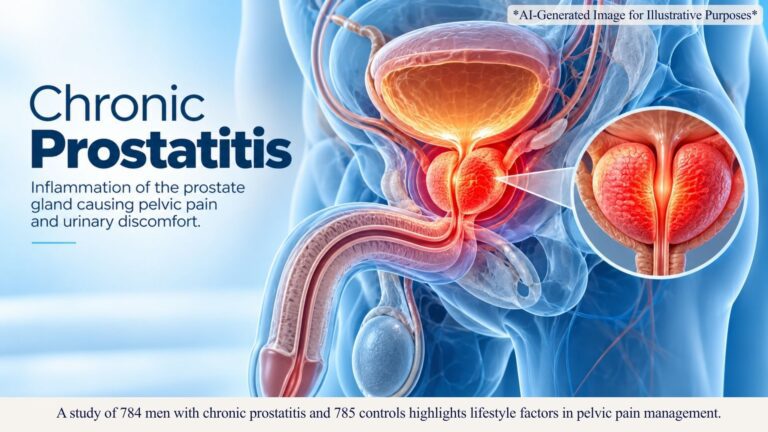
Chronic prostatitis can cause recurring pelvic pain, burning during urination, frequent urination, and discomfort during ejaculation. However, the return of symptoms does not always mean that an infection has returned. The underlying cause may be persistent bacteria, pelvic floor muscle problems, or chronic pain.
In this article, I explain why chronic prostatitis symptoms sometimes return, how I approach recurring symptoms, and what you can do to manage them.
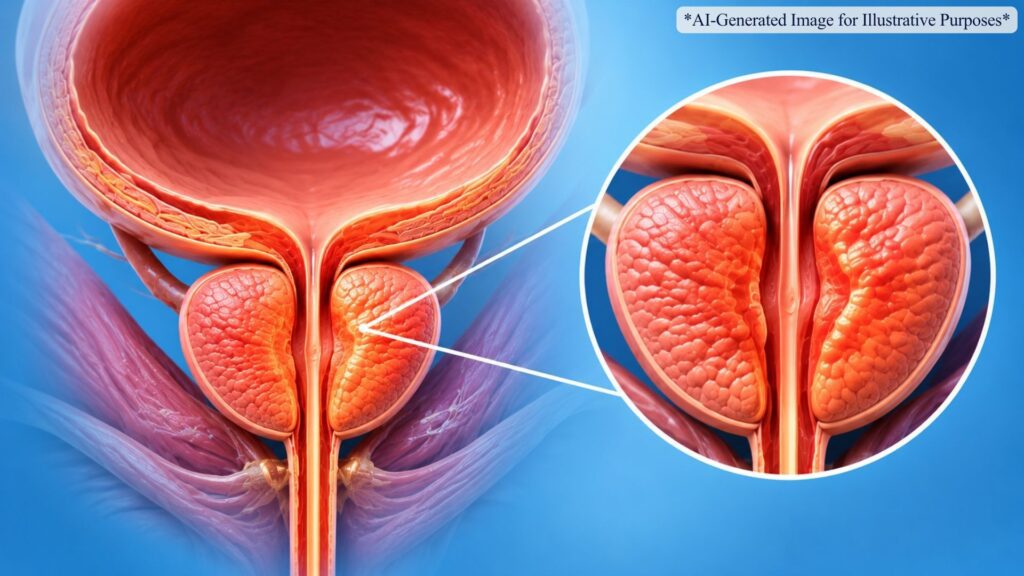
Why Does Chronic Prostatitis Come Back After Treatment?
There is no single explanation for every patient. The reason depends on the type of prostatitis and the treatment received.
1. The bacterial infection was not fully cleared
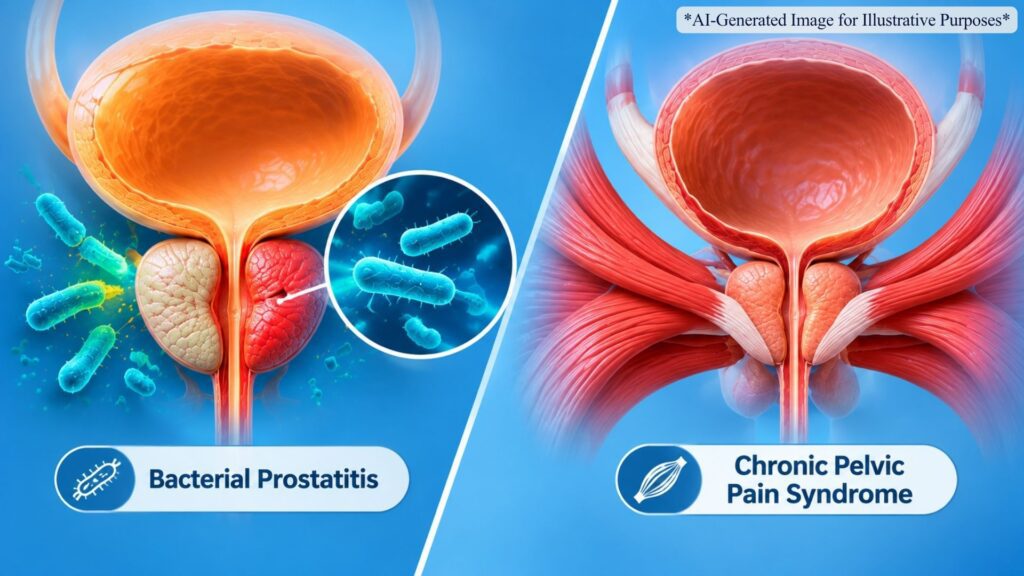
Chronic bacterial prostatitis occurs when bacteria cause a persistent or recurring infection in the prostate. Some bacteria may remain despite treatment, allowing the infection to return.
The antibiotic may not have effectively treated the bacteria, or the infection may require a different treatment plan. A urine culture and antibiotic sensitivity test can help guide treatment when appropriate.
2. The condition does not involve an active infection
Chronic prostatitis/chronic pelvic pain syndrome (CP/CPPS) can cause persistent or recurring pelvic pain without a confirmed bacterial infection.
In these cases, antibiotics may not provide lasting relief because bacteria are not necessarily causing the symptoms. The treatment approach must address the actual source of pain.
3. Pelvic floor muscles remain tense
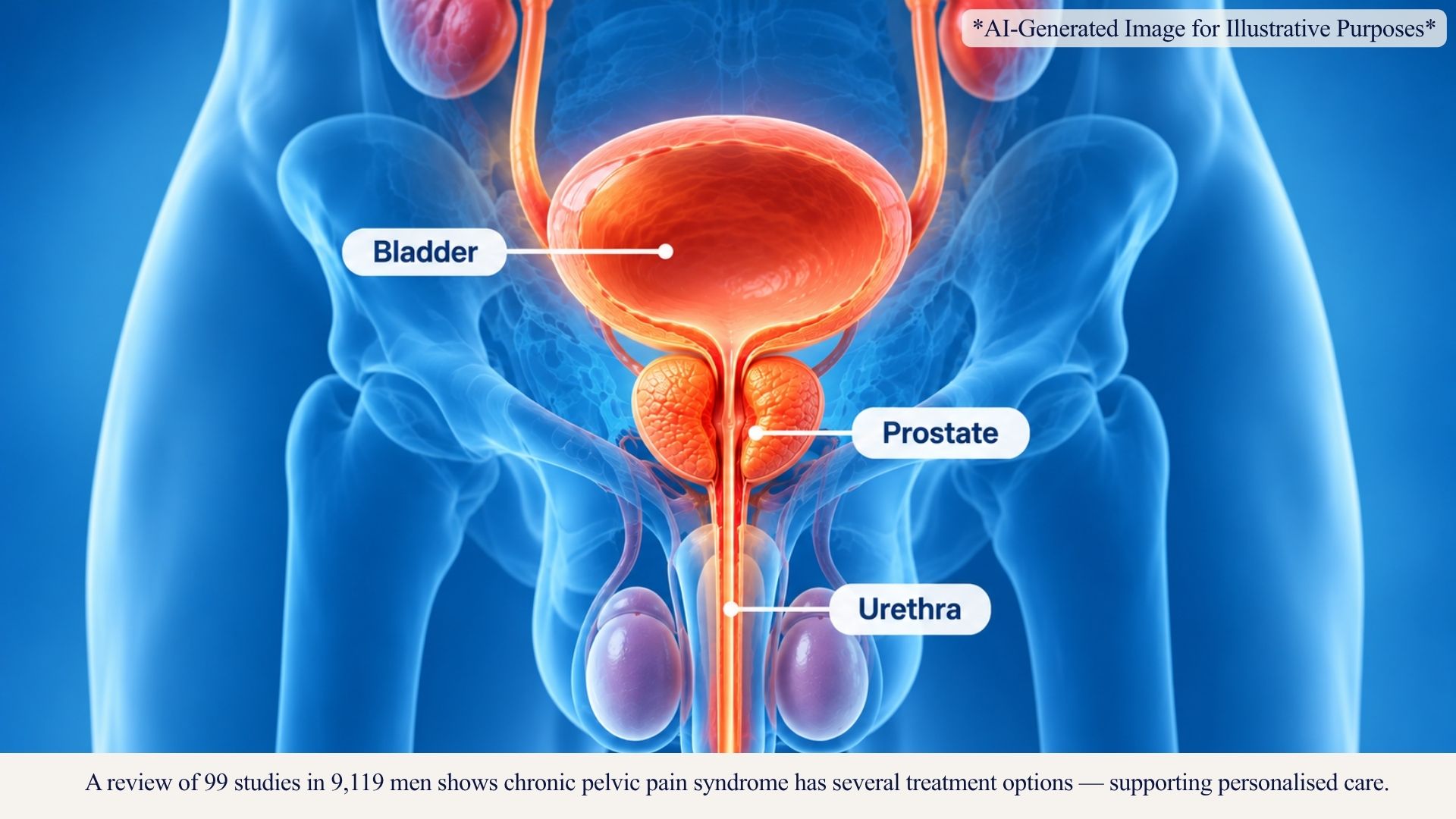
The pelvic floor muscles support the bladder and other pelvic organs. When these muscles remain tight or do not relax properly, they can contribute to pelvic pain, urinary discomfort, and pain during ejaculation.
This problem may continue even after the original symptoms improve. A pelvic floor assessment can help determine whether muscle tension contributes to the condition.
4. Nerve sensitivity and stress contribute to pain
In some patients, the nervous system becomes more sensitive to pain. Stress, poor sleep, and muscle tension may also worsen symptoms.
This does not mean the pain is imaginary. It means that several factors can contribute to persistent discomfort even when tests do not identify an infection.
How Can You Tell If the Infection Has Returned?
Recurring symptoms may include:
- Pain in the pelvis, perineum, penis, or lower abdomen.
- Burning or discomfort during urination.
- Frequent or urgent urination.
- Pain during or after ejaculation.
- Symptoms that improve and then return.
These symptoms can occur with different conditions. I would not assume that an infection has returned based on symptoms alone. A medical assessment can help identify the cause.
What Should You Do If Symptoms Return?
If your symptoms return after treatment, I recommend taking the following steps.
1. Consult your urologist. Explain when your symptoms returned, how they have changed, and whether treatment provided complete or partial relief.
2. Bring your previous reports. Urine culture results, prescribed medicines, and details of earlier treatment can help your doctor decide what to investigate next.
3. Identify the underlying cause. Your doctor may recommend urine tests, a physical examination, or other investigations based on your symptoms and medical history.
4. Avoid restarting antibiotics yourself. Repeated antibiotics may be unnecessary when there is no bacterial infection. Unnecessary use can cause side effects and contribute to antibiotic resistance.
5. Seek urgent medical care when necessary. Fever, chills, severe pain, or an inability to urinate requires prompt medical assessment.

How Can You Manage Recurring Chronic Prostatitis?
Treatment depends on the underlying cause.
For confirmed bacterial prostatitis, I may recommend an appropriate antibiotic based on the clinical findings and available test results. For chronic pelvic pain syndrome, treatment may include pain management, medicines for urinary symptoms, or pelvic floor physiotherapy when indicated.
You can also track your symptoms and note whether prolonged sitting, stress, or particular activities appear to make them worse. Regular movement, adequate sleep, and relaxation techniques may help some patients manage flare-ups.
These steps cannot guarantee that symptoms will never return, but they can help you and your doctor identify patterns and develop a more suitable management plan.
Can Chronic Prostatitis Be Managed Long-Term?
Yes. Many patients can achieve meaningful symptom improvement, although the results and long-term course vary.
A systematic review published in 1999 estimated that prostatitis symptoms affected approximately 8.2% of men studied. This figure describes the estimated prevalence of symptoms, not the percentage of patients whose symptoms return after treatment.
The most important step is to determine whether recurring symptoms result from bacterial infection, chronic pelvic pain syndrome, or another condition. This distinction helps guide appropriate treatment.
Final Thoughts
Chronic prostatitis symptoms can return for several reasons, and the infection is not always responsible. Repeating the same treatment without reassessing the cause may delay appropriate care.
If your symptoms have returned, consult a urologist to understand what is causing them and which treatment is most suitable for you. With an accurate assessment and an individualised plan, you can work towards better symptom control and an improved quality of life.
Frequently Asked Questions
1. Why does chronic prostatitis return after antibiotics?
Chronic prostatitis may return because bacteria remain in the prostate, the antibiotic was ineffective, or the symptoms result from chronic pelvic pain syndrome rather than an infection. I recommend reassessing the cause before deciding whether further treatment is necessary.
2. Can chronic prostatitis come back without an infection?
Yes. Chronic prostatitis/chronic pelvic pain syndrome can cause recurring pelvic pain, urinary discomfort, and pain during ejaculation without a confirmed bacterial infection. Pelvic floor muscle tension and increased nerve sensitivity may contribute to these symptoms.
3. Should I take antibiotics again if prostatitis symptoms return?
I recommend consulting a urologist before restarting antibiotics. Your doctor may recommend urine tests or other investigations to determine whether an infection has returned. Antibiotics may not help when bacteria are not causing the symptoms.
4. How can I prevent chronic prostatitis symptoms from coming back?
I recommend following your treatment plan, attending follow-up appointments, and identifying activities that worsen your symptoms. Regular movement, adequate sleep, stress management, and pelvic floor physiotherapy when indicated may help manage flare-ups, although recurrence cannot always be prevented.
5. Can chronic prostatitis be cured permanently?
Some patients achieve lasting improvement, while others experience recurring symptoms that require ongoing management. The outcome depends on the underlying cause. I recommend an individualised treatment plan based on whether the problem involves bacterial infection, chronic pelvic pain, or another condition.