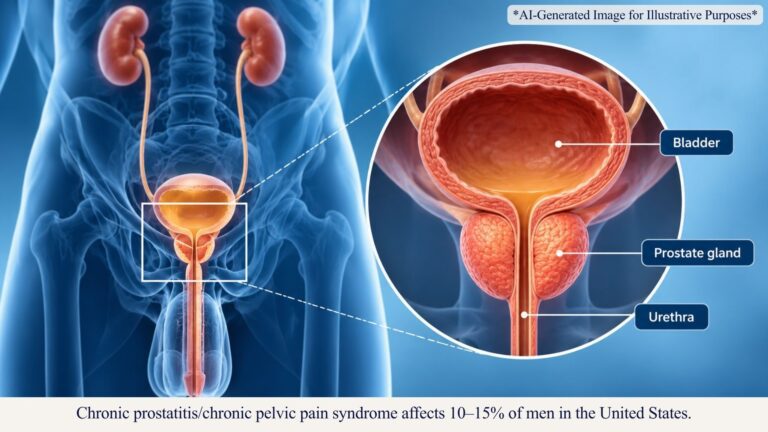

Urinary problems can affect your daily life, sleep, and overall health. Yet many people ignore the early signs because they feel embarrassed or assume these changes are a normal part of ageing.
As a urologist, I encourage patients not to wait until their symptoms become severe. Early medical evaluation can help identify the cause and guide the right treatment.
But when should you see a urologist? Here are six warning signs you should never ignore.
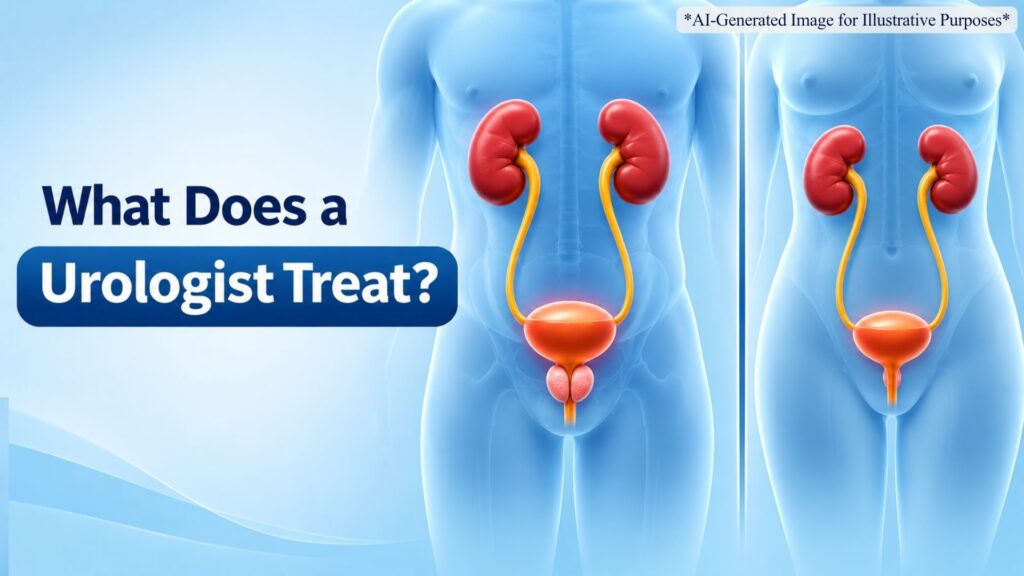
What Does a Urologist Treat?
A urologist diagnoses and treats conditions affecting the kidneys, bladder, ureters, urethra, and male reproductive organs. These include kidney stones, urinary infections, prostate enlargement, urinary incontinence, and erectile dysfunction.
Urological problems can affect both men and women, although some conditions are more common in certain age groups.
6 Warning Signs You Should Never Ignore

1. Blood in Your Urine
Blood in your urine, also called haematuria, needs medical evaluation even if it happens only once or causes no pain.
Possible causes include urinary infections, kidney stones, and diseases affecting the urinary tract, including bladder or kidney cancer.
What should you do? Arrange a medical assessment promptly. Do not assume the problem has resolved simply because the urine looks normal again.
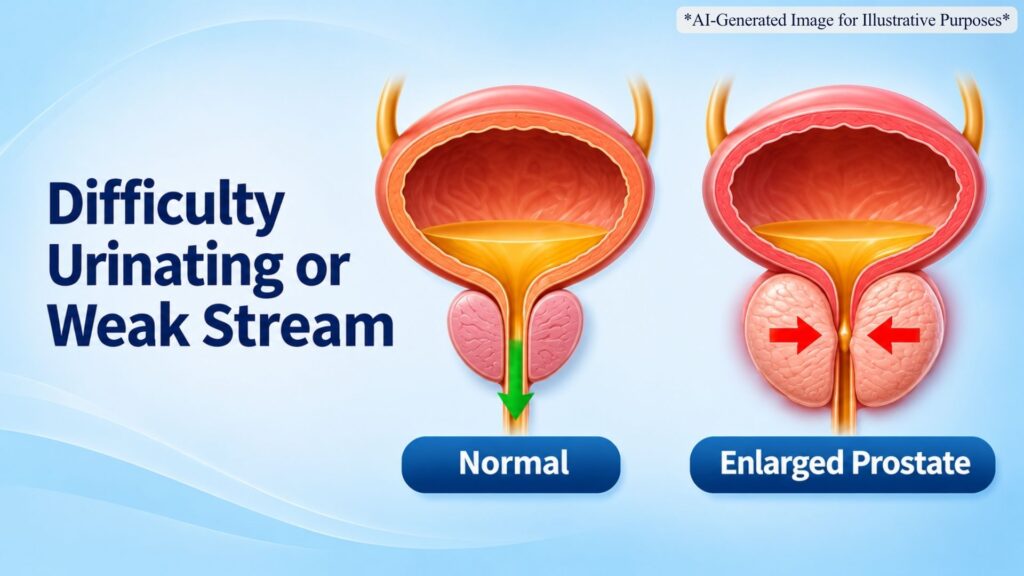
2. Difficulty Urinating or a Weak Urine Stream
Do you struggle to start urinating? Does your urine stream seem weaker than before? Do you feel that your bladder has not emptied completely?
These symptoms may occur because of an enlarged prostate, urethral narrowing, certain medicines, or bladder problems.
Prostate enlargement becomes more common with age, but difficulty urinating does not automatically mean you have prostate cancer.
What should you do? Consult a urologist if these symptoms persist, recur, or worsen. If you suddenly cannot pass urine, seek emergency medical care.
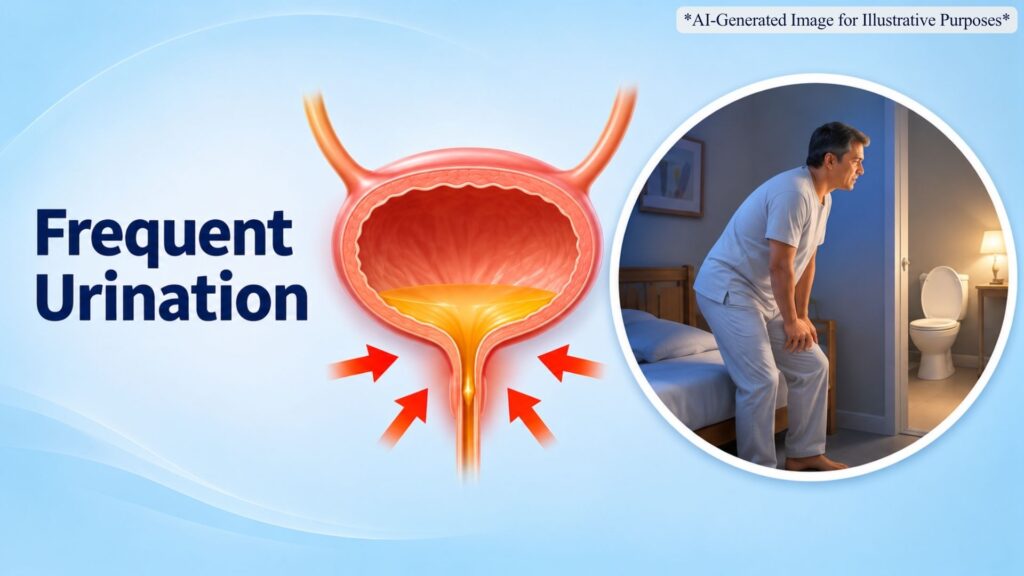
3. Frequent Urination or Waking Up at Night
Frequent urination can interrupt your work, travel, sleep, and daily activities. You may also experience a sudden urge to urinate or difficulty reaching the toilet in time.
Possible causes include diabetes, urinary infections, an overactive bladder, prostate problems, and certain medicines.
Although urinary frequency can change with age, you should not automatically dismiss persistent changes as normal ageing.
What should you do? Seek medical advice if frequent urination affects your daily life, disrupts sleep, or occurs alongside other urinary symptoms.
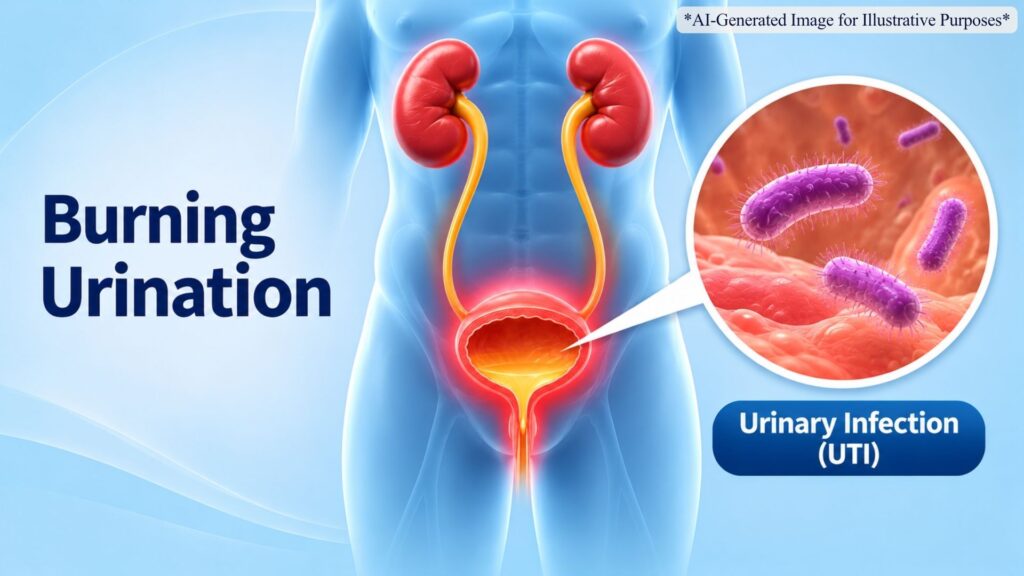
4. Burning or Pain During Urination
A burning sensation while urinating may indicate a urinary tract infection or inflammation. Other symptoms can include urgency, frequent urination, and discomfort in the lower abdomen.
However, fever, chills, vomiting, or pain in your side or back may suggest a more serious infection.
What should you do? Consult a doctor to identify the cause. Avoid taking leftover antibiotics without medical advice. Seek urgent assessment if you develop fever or significant pain alongside urinary symptoms.

5. Severe Pain in Your Side, Back, or Groin
Kidney stones can cause severe pain that comes in waves and spreads from the side or back towards the lower abdomen or groin. You may also experience nausea, vomiting, or blood in your urine.
However, not all back pain comes from the kidneys. A proper assessment helps identify the cause.
What should you do? Seek prompt medical evaluation for severe or persistent pain. Fever with suspected kidney stones, difficulty passing urine, or uncontrolled pain requires urgent medical attention.

6. Testicular Pain, Swelling, or Persistent Urine Leakage
New testicular pain or swelling can occur because of infection, injury, or other conditions. Sudden, severe testicular pain is an emergency because testicular torsion can cut off blood supply and damage the testicle.
Persistent urine leakage or difficulty controlling your bladder also deserves medical attention. These problems can affect both men and women.
What should you do? Seek emergency care for sudden, severe testicular pain. Arrange a urology consultation for recurring testicular symptoms or persistent urine leakage.

When Should You Seek Emergency Medical Care?
Some symptoms require immediate attention rather than a routine appointment. Seek emergency care if you experience:
- An inability to pass urine.
- Sudden, severe testicular pain.
- Fever or chills with significant urinary or side pain.
- Severe pain accompanied by repeated vomiting.
- Heavy blood in your urine or blood clots that obstruct urine flow.
Do not delay care while waiting for these symptoms to improve.
Final Thoughts
You should consult a urologist if you notice blood in your urine, difficulty urinating, persistent urinary frequency, painful urination, severe side or groin pain, or testicular changes and persistent urine leakage.
These symptoms do not always indicate a serious disease, but ignoring them can delay diagnosis and treatment.
If you notice any of these warning signs, seek appropriate medical advice. Early evaluation can help you understand the cause and decide what to do next.
Your urinary and reproductive health deserves attention. Do not wait for a warning sign to become a serious problem.
Frequently Asked Questions
1. When should I see a urologist?
See a urologist if you experience blood in your urine, persistent urinary problems, difficulty passing urine, recurrent urinary infections, kidney stone symptoms, or changes in testicular health. Seek emergency care for sudden severe symptoms.
2. Is blood in the urine always a serious sign?
Blood in the urine can result from infections, kidney stones, or other urinary tract conditions. It can also indicate a more serious disease. I recommend medical assessment even if the bleeding occurs only once or causes no pain.
3. Are frequent urination and a weak urine stream signs of prostate problems?
They can indicate prostate enlargement, particularly in older men. However, diabetes, urinary infections, bladder conditions, and certain medicines can cause similar symptoms. I recommend an evaluation to identify the underlying cause.
4. When should urinary symptoms be treated as an emergency?
Seek emergency care if you cannot pass urine, develop sudden severe testicular pain, or experience fever with significant urinary or side pain. Heavy bleeding with clots or severe pain with repeated vomiting also requires urgent assessment.
5. What happens during the first visit to a urologist?
I review your symptoms, medical history, and medicines, then recommend an examination or tests if needed. These may include urine tests, blood tests, or an ultrasound. The tests depend on your symptoms and suspected condition.