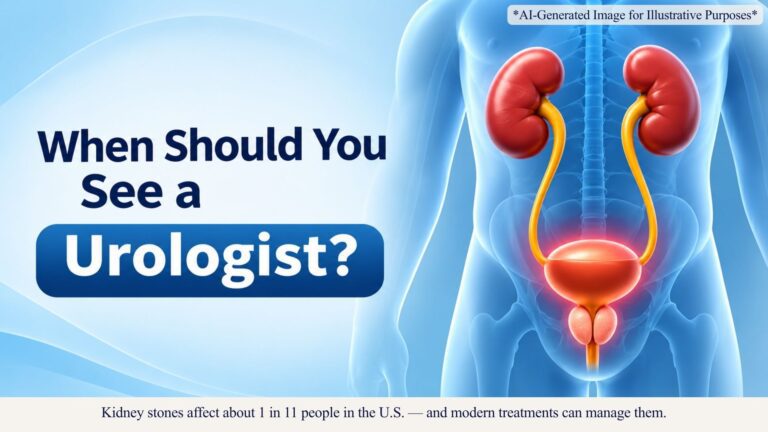
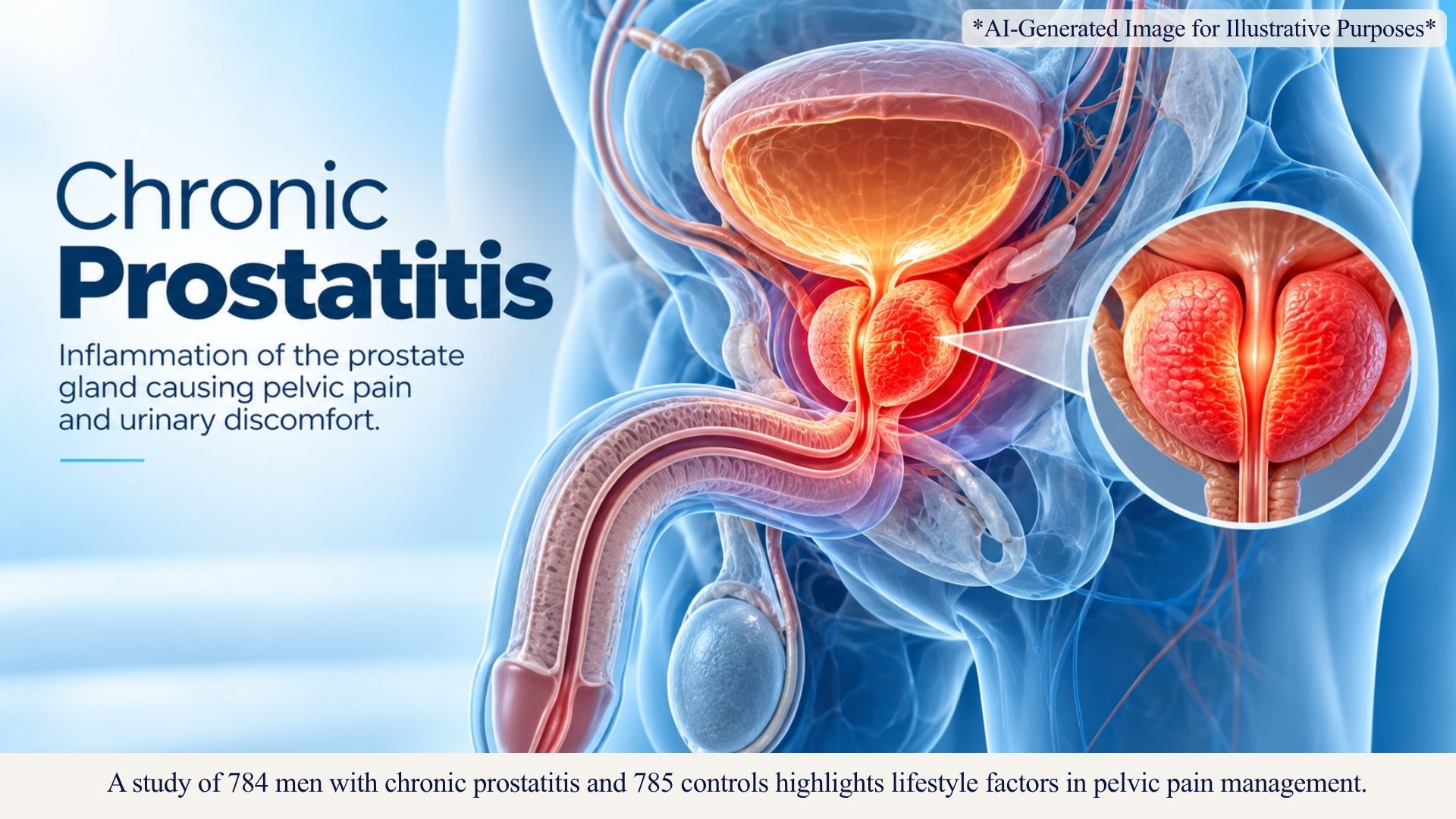
Chronic prostatitis can cause ongoing pelvic pain, urinary discomfort, and pain during or after ejaculation. These symptoms can affect sleep, work, relationships, and daily activities.
As a urologist, I advise patients to look beyond medication and pay attention to their daily habits. Certain lifestyle changes may help reduce symptoms, although their benefits vary from person to person.
The first step is to understand that chronic bacterial prostatitis and chronic pelvic pain syndrome (CP/CPPS) are different conditions. Both can cause persistent symptoms, but they may require different treatments. Lifestyle changes can support symptom management, but they cannot replace proper medical care.
What Lifestyle Changes Can Help Manage Chronic Prostatitis?
I recommend focusing on seven areas: diet, hydration, physical activity, pelvic floor relaxation, stress management, sleep, and bowel habits. Small, consistent changes may help you identify triggers and improve your comfort.

1. Identify Foods and Drinks That Trigger Symptoms
Some men notice that certain foods and drinks worsen their urinary symptoms or pelvic discomfort.
Caffeine, alcohol, spicy foods, and acidic drinks may trigger symptoms in some people. However, these foods do not affect everyone in the same way.
Rather than eliminating several foods at once, I recommend keeping a symptom diary. Record what you eat and drink and note any changes in your symptoms. This can help you identify patterns without following an unnecessarily restrictive diet.
Choose balanced meals with vegetables, fruits, whole grains, and suitable protein sources. No specific diet has been proven to cure chronic prostatitis.
2. Drink Enough Water Without Overdoing It
Adequate hydration supports normal urinary function. However, drinking excessive amounts of water may increase urinary frequency and disrupt your daily routine.
Spread your fluid intake throughout the day instead of drinking large amounts at once. Adjust your intake according to your activity level, climate, and medical needs.
If you have a condition that requires fluid restriction, follow your doctor’s advice.

3. Stay Active and Avoid Prolonged Sitting
Regular physical activity supports general health and may help some men manage chronic pelvic pain.
Start with activities such as walking, gentle stretching, or other exercises that do not worsen your symptoms. If cycling, running, or heavy exercise increases your discomfort, reduce the intensity or try a different activity.
If you work at a desk or spend long periods travelling, take regular breaks to stand, walk, and change position.
The goal is not to exercise through pain. It is to remain active while respecting your body’s limits.
4. Relax Your Pelvic Floor Muscles
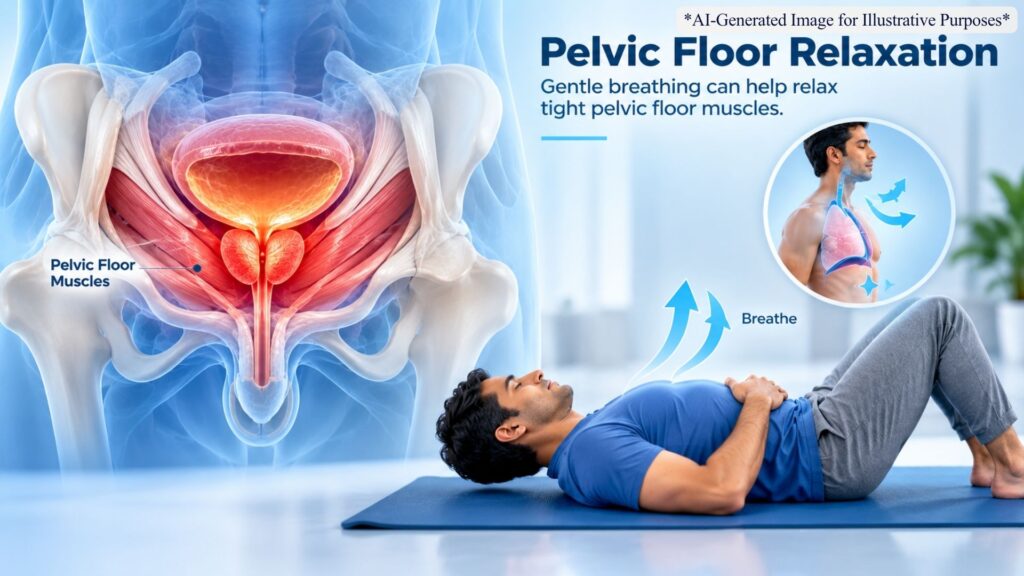
Your pelvic floor muscles help control urination and support the pelvic organs. In some men with CP/CPPS, these muscles remain tight or fail to relax properly, which may contribute to pelvic pain and urinary discomfort.
Gentle diaphragmatic breathing and pelvic floor relaxation may help reduce muscle tension. A pelvic floor physiotherapist can assess whether specialised treatment would benefit you.
Do not start repeated Kegel exercises without guidance if you have pelvic pain. Kegels strengthen the pelvic floor, but some men need to relax these muscles instead.
5. Manage Stress and Improve Sleep
Chronic pain can create stress, and stress may increase muscle tension and make pain harder to manage. This does not mean your symptoms are imaginary.
I recommend setting aside time for relaxation, practising slow breathing, and maintaining a regular sleep schedule. Counselling may also help if persistent symptoms cause anxiety or affect your quality of life.
These steps support overall symptom management but do not treat every underlying cause.

6. Try Warm Baths and Prevent Constipation
A warm bath or sitz bath may temporarily relieve pelvic discomfort. Use comfortably warm water rather than very hot water.
Constipation can also increase pressure and discomfort in the pelvic region. Include fibre-rich foods in your diet, stay active, and maintain suitable fluid intake. Avoid straining during bowel movements.
If constipation persists, seek medical advice.
7. Track Your Symptoms and Recognise Your Triggers
One useful step is to maintain a daily record of your symptoms, food intake, physical activity, stress, sleep, and urinary habits.
Review the record after a week or two. Look for repeated patterns rather than assuming that one uncomfortable day proves a particular food or activity causes your symptoms.
This record can also help your urologist understand your condition and plan suitable treatment.
When Should You See a Urologist?
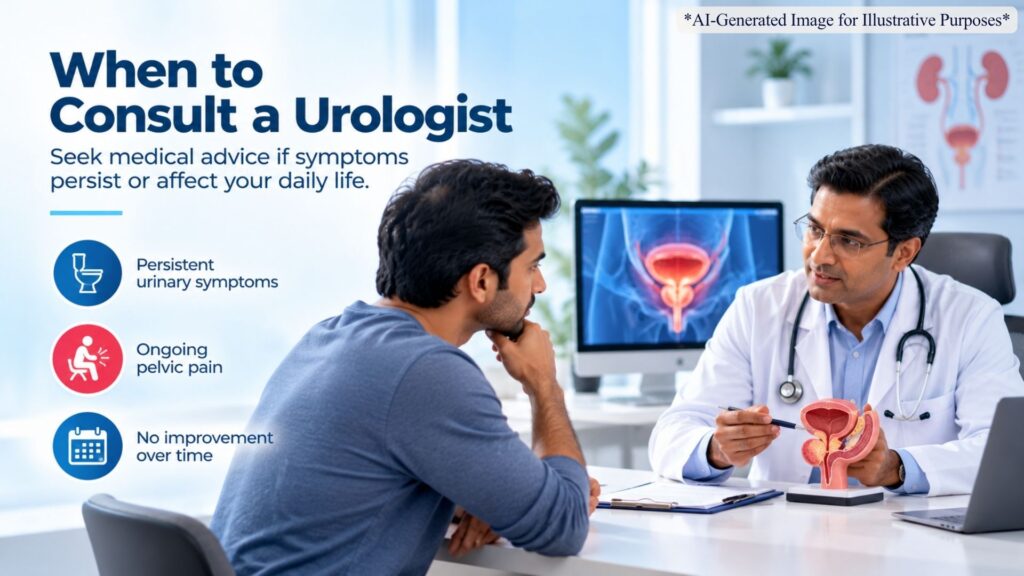
Lifestyle changes may improve comfort, but they may not provide enough relief on their own. Chronic bacterial prostatitis may require antibiotics, while CP/CPPS may benefit from a combination of treatments, including medication and pelvic floor physiotherapy.
Seek urgent medical attention if you develop fever, chills, severe worsening pain, or difficulty passing urine. Inability to urinate requires emergency care.
Final Thoughts
Managing chronic prostatitis often requires patience and an individual approach. By identifying personal triggers, staying active, relaxing the pelvic floor, managing stress, and preventing constipation, you may improve your daily comfort.
I encourage you to discuss persistent symptoms with a urologist rather than relying on lifestyle changes alone. The right treatment depends on the cause of your symptoms and your individual needs.
Frequently Asked Questions About Lifestyle Changes for Chronic Prostatitis
1. What foods should I avoid with chronic prostatitis?
I recommend monitoring caffeine, alcohol, spicy foods, and acidic drinks if they worsen your symptoms. Triggers vary between individuals, so I suggest keeping a food and symptom diary instead of following an unnecessarily restrictive diet.
2. Can exercise help manage chronic prostatitis?
Yes. Regular walking and gentle physical activity may help some men manage chronic pelvic pain. I recommend avoiding or modifying activities that worsen your discomfort and seeking professional guidance if exercise repeatedly triggers symptoms.
3. Can stress make chronic prostatitis symptoms worse?
Yes. Stress may increase pelvic floor muscle tension and worsen pain in some men. I recommend relaxation techniques, slow breathing, adequate sleep, and professional support when stress affects daily life.
4. How can I relieve chronic prostatitis pain at home?
I recommend trying a comfortably warm bath, gentle movement, relaxation techniques, and avoiding personal symptom triggers. These measures may provide temporary relief, but persistent symptoms require medical assessment.
5. Can chronic prostatitis go away with lifestyle changes alone?
Lifestyle changes may help manage symptoms, but they do not reliably cure chronic prostatitis. I recommend a urological assessment to identify the condition’s type and determine whether medication, pelvic floor physiotherapy, or other treatment is necessary.