Erection problems can affect men of any age. If you sometimes struggle to achieve or maintain an erection, you may wonder whether you have erectile dysfunction (ED) or whether anxiety is responsible.
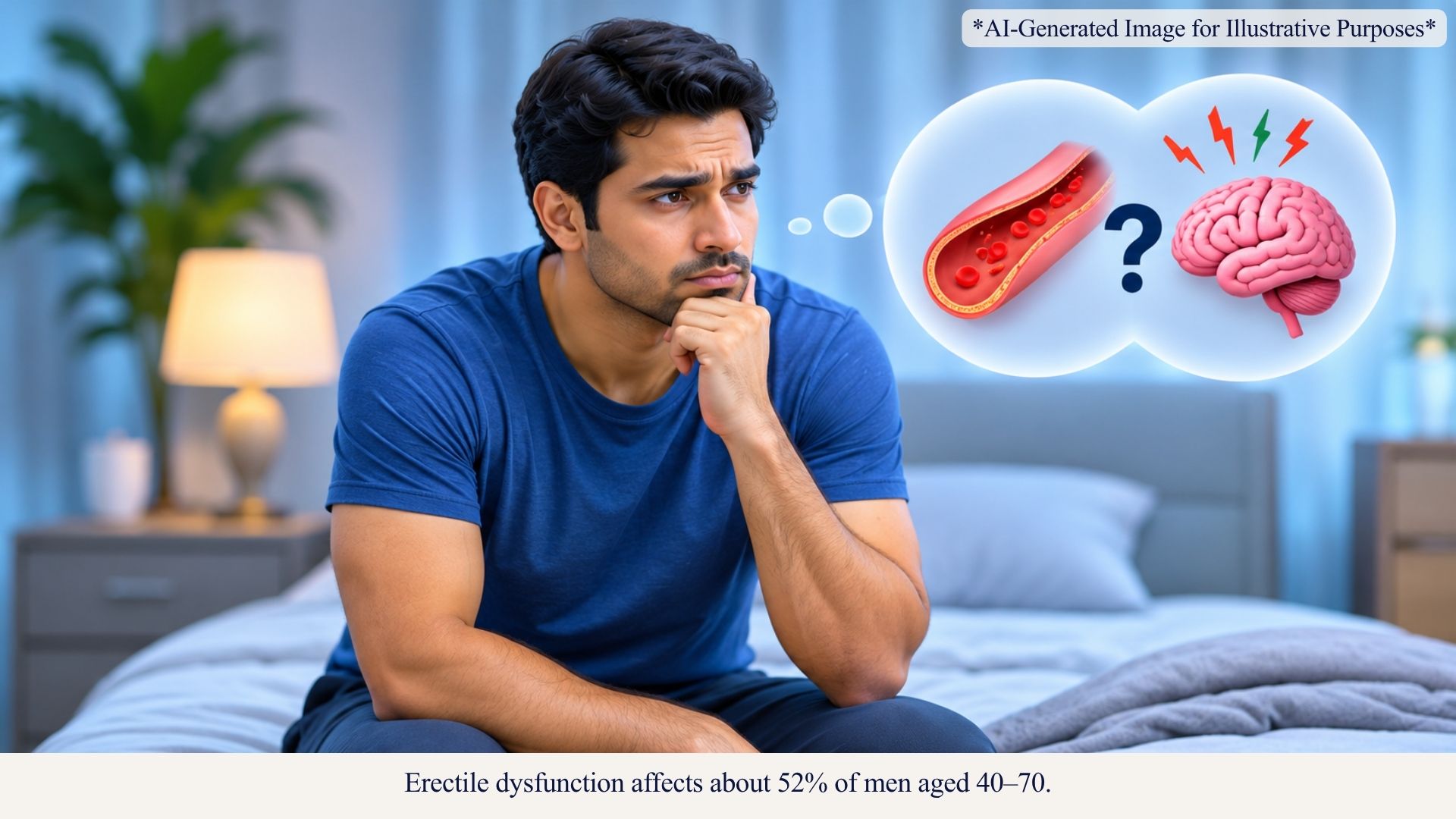
Both are possible. Stress and performance anxiety can interfere with erections. Physical conditions, certain medicines, and lifestyle factors can also contribute. In some men, physical ED and anxiety occur together.
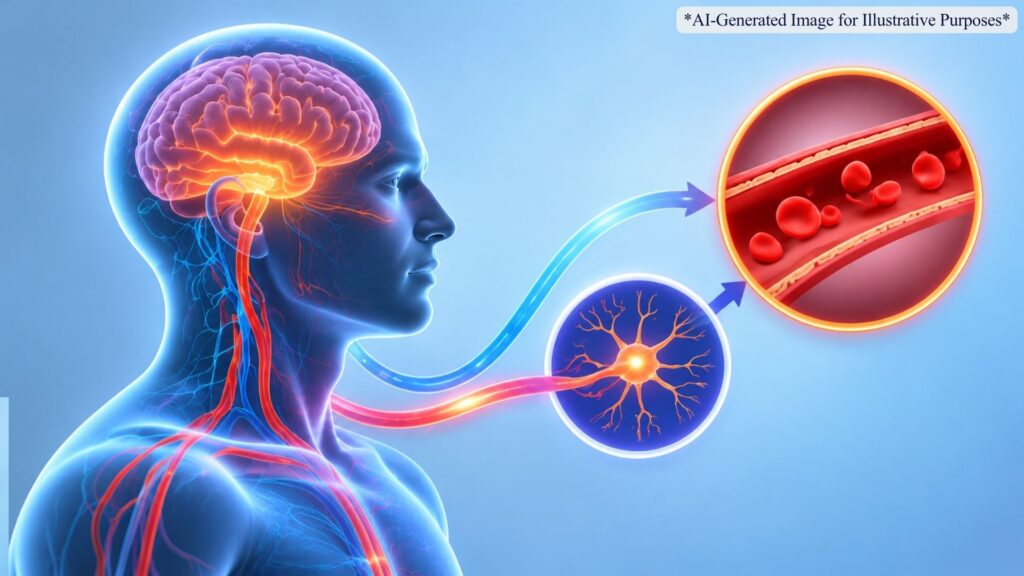
As a urologist, I recommend looking at three things: when the problem occurs, whether you still experience erections in other situations, and how you feel during sexual activity. These clues can help you understand what may be happening, although they cannot confirm a diagnosis.
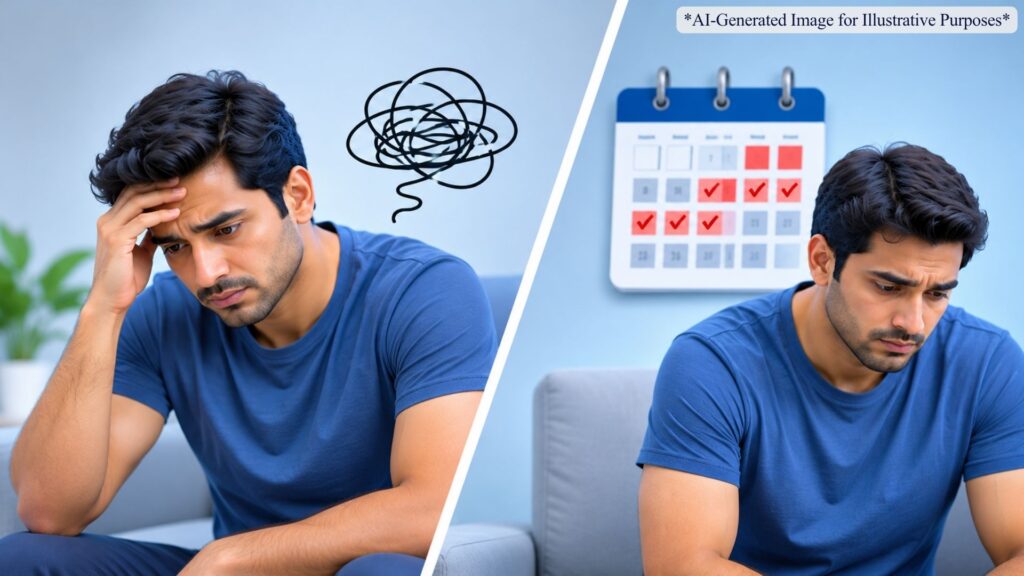
1. Do You Experience Erection Problems in Every Situation?
Think about when you have difficulty getting or maintaining an erection.
If the problem mainly occurs during sex with a partner but not during masturbation, anxiety may play a role. You may worry about satisfying your partner, losing your erection, or repeating a previous unsuccessful experience.
These worries can distract you from sexual arousal and make it harder to maintain an erection.
However, if erection difficulties occur consistently during partnered sex, masturbation, and other situations, I would also consider possible physical causes. These may include diabetes, high blood pressure, cardiovascular disease, hormonal problems, nerve damage, or medication side effects.
What this may tell you: Erection problems that occur only in certain situations may suggest a psychological component. Difficulties across different situations may raise concern about physical ED. Neither pattern proves the cause.

2. Do You Still Have Morning Erections or Erections During Masturbation?
Morning erections occur naturally, often because of changes during sleep. They can provide useful information about erectile function.
If you regularly experience morning erections or can achieve an erection during masturbation but struggle during partnered sex, performance anxiety may contribute to the problem.
However, morning erections do not rule out physical ED. Similarly, their absence does not automatically mean you have a physical condition. Sleep problems, stress, age, certain medicines, and other health factors can influence these erections.
I also consider whether the pattern has changed. For example, a gradual decline in erection firmness may warrant an assessment for underlying health conditions.
What this may tell you: Erections that remain reliable in some situations but not others may offer a clue. A doctor must consider your complete medical and sexual history before identifying the cause.

3. Do You Feel Nervous or Under Pressure During Sex?
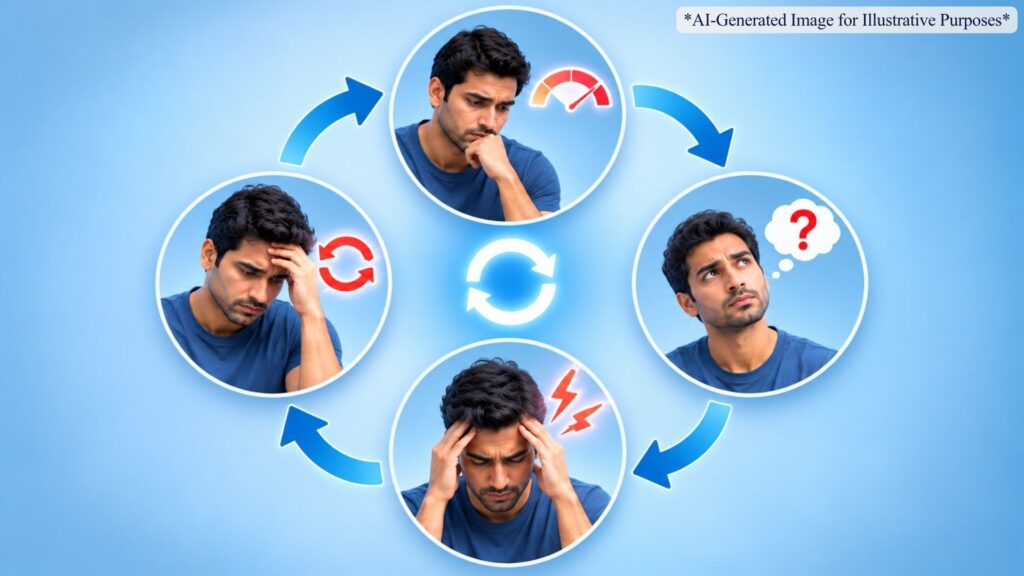
Performance anxiety can create a cycle that becomes difficult to break.
You may experience one unsuccessful sexual encounter. The next time, you worry that it will happen again. During sex, you focus on whether your erection is firm enough instead of responding naturally to arousal. This worry can make it harder to achieve or maintain an erection.
Repeated experiences may increase your fear and reduce your confidence.
Anxiety is not the only possible explanation, though. Physical ED can also create anxiety, and both conditions can occur together.
What this may tell you: If erection difficulties coincide with fear, stress, or pressure about sexual performance, anxiety may be contributing. Persistent symptoms still deserve medical evaluation.
ED vs Anxiety: What Is the Difference?
Physical erectile dysfunction can involve problems with blood flow, nerves, hormones, or other health conditions. Psychological factors, including anxiety and depression, can also interfere with erections.
According to the Massachusetts Male Aging Study, approximately 52% of men aged 40–70 experienced some degree of ED. This figure comes from an older study of a specific age group and should not be applied to all men.
The important point is that ED is not always caused by one factor. A man may have a physical problem that triggers anxiety, which then makes erections less reliable.

Can Anxiety-Related Erection Problems Be Treated?
Yes. Treatment depends on the cause and may involve several approaches.
I may recommend improving sleep, managing stress, reducing excessive alcohol consumption, or addressing other lifestyle factors. When performance anxiety contributes significantly, counselling or sex therapy may help. Some men may also benefit from medical treatment for ED.
I do not recommend taking erection medicines without proper medical advice. These medicines may not be suitable for everyone, and self-treatment can delay the diagnosis of an underlying condition.
Final Thoughts
Three questions can help you recognise patterns: Does the problem occur in every situation? Do you still experience morning or solo erections? Do you feel anxious or under pressure during sex?
Your answers may suggest whether anxiety, physical ED, or both contribute to your symptoms. However, no single sign can reliably distinguish the causes.
If erection difficulties persist, I encourage you to seek a medical assessment rather than guessing or feeling embarrassed. Identifying the underlying cause is the first step towards appropriate treatment.
Frequently Asked Questions: ED or Anxiety?
1. Can anxiety cause erectile dysfunction in young men?
Yes. Anxiety can interfere with sexual arousal and make it difficult to achieve or maintain an erection. Performance pressure, stress, and fear of failure can contribute. However, I recommend a medical assessment if erection problems persist, even in younger men.
2. How can I tell if my erectile dysfunction is caused by anxiety?
Erection difficulties that occur mainly during partnered sex, while erections remain possible during masturbation or on waking, may suggest an anxiety-related component. However, these signs cannot confirm the cause. I assess your medical history, symptoms, and psychological factors before recommending treatment.
3. Do morning erections mean I do not have erectile dysfunction?
No. Morning erections suggest that some aspects of erectile function remain intact, but they do not rule out physical ED. Similarly, not experiencing morning erections does not confirm ED. I consider this pattern alongside other symptoms and medical findings.
4. Why can I get an erection during masturbation but not during sex?
This pattern may indicate performance anxiety, stress, or other situational factors. Worry about satisfying a partner can interfere with arousal. However, physical ED and psychological factors can overlap, so I recommend an assessment if the problem continues.
5. When should I see a urologist for erection problems?
I recommend consulting a urologist if erection difficulties keep recurring, affect your confidence or relationship, or develop alongside other health concerns. ED can sometimes signal an underlying condition, such as diabetes or cardiovascular disease. A proper assessment helps identify the cause and guide treatment.