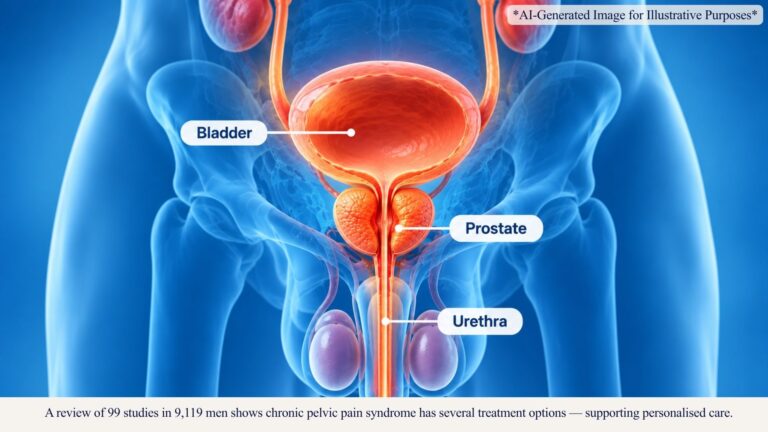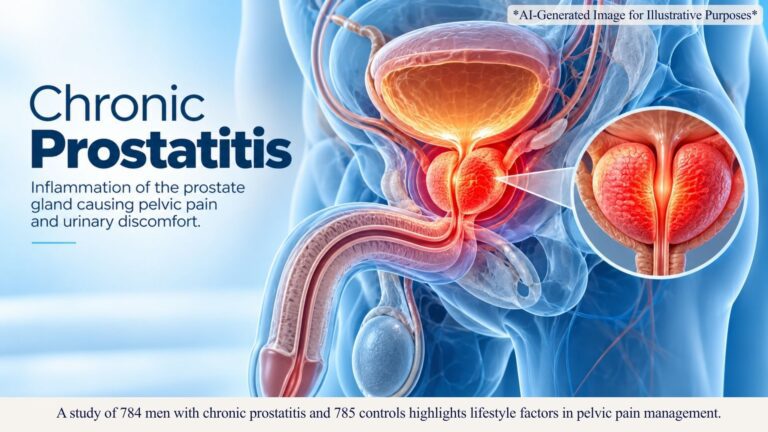

Prostate problems can affect your daily life. Frequent urination, a weak urine stream, and waking up at night can disrupt your sleep and routine. However, many men hesitate to seek treatment because they worry about erectile dysfunction, reduced sexual desire, or changes in ejaculation.
As a urologist, I believe men should discuss their urinary symptoms and sexual health together. Although no treatment can guarantee freedom from sexual side effects, the right approach can help manage prostate symptoms while reducing avoidable risks.
What Is an Enlarged Prostate?
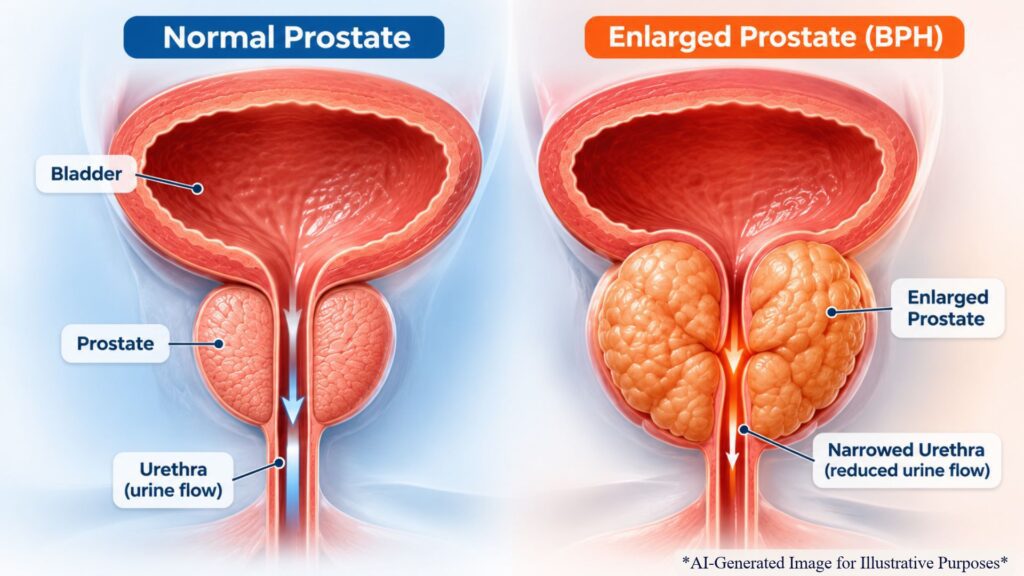
Benign prostatic hyperplasia (BPH) is a non-cancerous enlargement of the prostate gland. As the prostate grows, it can narrow the passage through which urine leaves the bladder.

Common symptoms include frequent urination, a weak stream, difficulty starting urination, and waking at night to urinate.BPH does not automatically cause erectile dysfunction. However, urinary symptoms and sexual difficulties often occur together, partly because they share risk factors such as ageing, diabetes, and cardiovascular disease.
Which Prostate Treatments Can Cause Sexual Side Effects?
The risk depends on the treatment, your health, and your existing sexual function.
Alpha-blockers: Medicines such as tamsulosin relax muscles around the prostate and bladder outlet. They can improve urine flow but may cause dizziness or ejaculation problems.
Finasteride and dutasteride: These medicines reduce the effects of hormones that contribute to prostate growth. They can improve symptoms over time, but possible side effects include reduced sexual desire, erectile difficulties, and changes in ejaculation.
Prostate surgery: Procedures such as transurethral resection of the prostate (TURP) can improve urine flow. However, changes in ejaculation are common after several established surgical procedures. Erectile dysfunction is a separate outcome and does not occur in every patient.Understanding these differences helps you make an informed decision with your urologist.
How Can You Treat an Enlarged Prostate While Protecting Your Sexual Health?
1. Consider lifestyle changes for mild symptoms
If your symptoms are mild, your doctor may recommend monitoring and lifestyle changes before starting treatment.
You can try reducing caffeine and alcohol if they worsen urinary symptoms, limiting fluids close to bedtime, staying physically active, and managing constipation.
These measures may improve symptom control, but they do not reliably shrink an enlarged prostate. Do not delay medical assessment if your symptoms persist or worsen.
2. Choose medication based on your needs
Different medicines work in different ways. Alpha-blockers may provide relatively quick symptom relief, while finasteride and dutasteride may help reduce prostate size and the risk of progression in suitable patients.
Tadalafil may improve urinary symptoms and erectile function in some men. However, it is not suitable for everyone and must not be combined with nitrate medicines because the combination can cause a dangerous drop in blood pressure.
I recommend discussing your current medicines, prostate size, symptom severity, and sexual health priorities before choosing treatment. Never stop a prescribed medicine without medical advice.
3. Ask about minimally invasive procedures
Some procedures may relieve urinary symptoms while offering a lower risk of certain sexual side effects in appropriately selected patients.
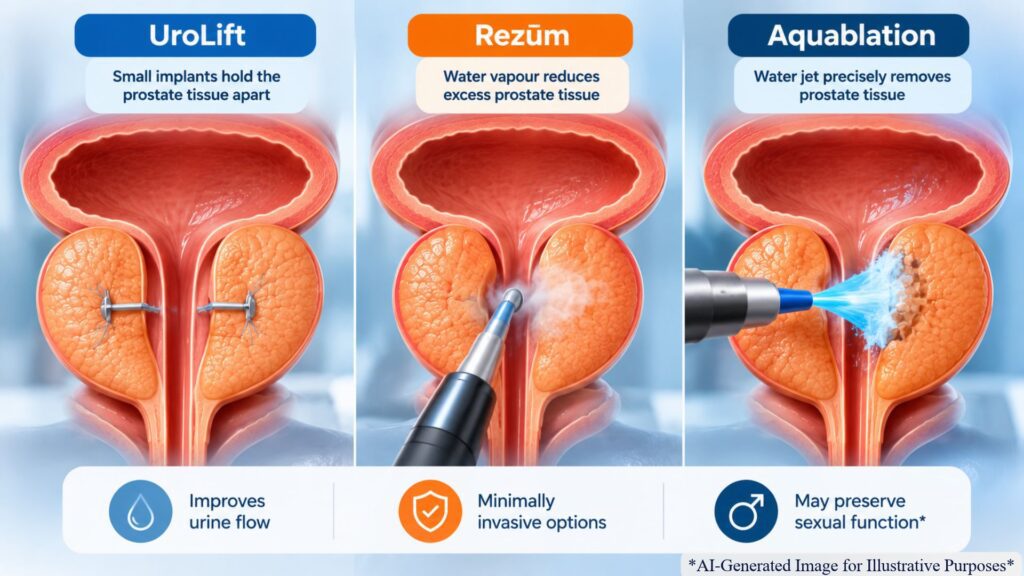
- UroLift: This procedure uses small implants to hold prostate tissue away from the urethra. It widens the urinary passage without removing prostate tissue.
- Rezūm: This treatment uses water vapour to reduce excess prostate tissue. The body gradually absorbs the treated tissue, helping improve urine flow.
- Aquablation: This procedure uses a controlled water jet to remove excess prostate tissue. It may be suitable for selected patients with different prostate sizes.
- iTIND: iTIND stands for Temporarily Implanted Nitinol Device. It is a small, expandable device made from a flexible metal alloy called nitinol. A urologist places it inside the prostatic urethra using a thin camera.
The device gently presses against selected areas of the prostate and bladder outlet. Over five to seven days, it creates channels that help widen the urinary passage. The urologist then removes the device, so no permanent implant remains.
One potential advantage of iTIND is its sexual-function profile. Clinical studies have reported improvements in urinary symptoms without significant deterioration in erectile function or new ejaculatory dysfunction during the study periods. However, individual outcomes can differ, and more comparative research is needed.
These procedures differ in their effectiveness, suitability, durability, and effects on ejaculation. None guarantees that sexual function will remain unchanged. Your prostate anatomy and medical history help determine which options are appropriate.
4. Understand when surgery may be necessary
If medicines fail, symptoms become severe, or complications develop, surgery may offer more effective relief. TURP and holmium laser enucleation of the prostate (HoLEP) are established options for suitable patients.
Some surgical procedures commonly change ejaculation, even when erections remain satisfactory. Therefore, tell your urologist if preserving ejaculation is important to you.However, avoiding treatment at all costs is not always safe. Severe obstruction can damage the bladder and, in some cases, the kidneys.
Erectile Dysfunction and Ejaculation Problems Are Not the Same
This distinction is important when comparing treatments.
- Erectile dysfunction: Difficulty achieving or maintaining an erection.
- Retrograde ejaculation: Semen enters the bladder instead of leaving through the penis during ejaculation.
- Reduced libido: A decrease in sexual desire.
A treatment may affect ejaculation without causing erectile dysfunction. Tell your doctor which changes you experience so that the cause and suitable options can be assessed.
Can Sexual Side Effects Be Reversed?
Some medication-related side effects may improve after a doctor adjusts treatment, but recovery is not guaranteed. Ejaculatory changes after surgery may persist. Erectile difficulties may also have causes unrelated to prostate treatment.
If you notice a change in sexual function, speak to your urologist rather than stopping medication or trying unprescribed remedies.
What Should You Ask Your Urologist?
Before starting treatment, ask:
- Do I need treatment now, or can I monitor my symptoms?
- How might each suitable option affect erections, libido, and ejaculation?
- Is iTIND, UroLift, Rezūm, or another procedure suitable for my condition?
- How effective is the treatment, and might I need another procedure later?
These questions help you weigh symptom relief against possible side effects.

When Should You Seek Medical Attention?
Arrange an assessment if urinary symptoms persist, disrupt sleep, or interfere with daily activities. Seek urgent medical care if you cannot pass urine, notice blood in your urine, or develop painful urination with fever or chills.
Final Thoughts
You do not have to ignore prostate symptoms because you are worried about your sexual health. You also should not expect every treatment to carry the same risks.
I encourage you to discuss your urinary symptoms, sexual function, and treatment priorities openly with your urologist. Together, you can choose an approach that balances symptom relief, long-term urinary health, and your quality of life.
Frequently Asked Questions
1. Can an enlarged prostate be treated without affecting sexual function?
Yes, some treatments have a lower risk of certain sexual side effects. The best option depends on prostate size, urinary symptoms, overall health, and your priorities. Discuss the benefits and risks of each suitable treatment with your urologist.
2. Which prostate medicines can cause erectile dysfunction or reduce sex drive?
Finasteride and dutasteride may cause erectile difficulties or reduced sexual desire. Some alpha-blockers, such as tamsulosin, can affect ejaculation. These effects do not occur in everyone. Speak to your doctor if you notice changes in sexual function.
3. Does prostate surgery affect erections or ejaculation?
Some prostate procedures can cause changes in ejaculation, including retrograde ejaculation or dry orgasm. Erectile dysfunction is a separate possible complication, and the risk varies by procedure and patient. Ask your urologist about both outcomes before choosing surgery.
4. Which enlarged prostate treatments help preserve ejaculation?
Procedures such as prostatic urethral lift and water-vapour therapy may preserve ejaculation in suitable patients. iTIND and Aquablation may also be options for selected men. Suitability depends on prostate anatomy, symptoms, and treatment goals. No procedure guarantees preservation.
5. Can I treat an enlarged prostate and erectile dysfunction at the same time?
Yes. Tadalafil may improve urinary symptoms associated with an enlarged prostate and erectile function in suitable men. However, it is not appropriate for everyone, particularly those taking nitrate medicines. A medical assessment is important before starting treatment.
6. What is iTIND treatment for an enlarged prostate?iTIND is a minimally invasive treatment that temporarily places a small nitinol device inside the prostatic urethra for five to seven days. It reshapes the urinary passage to improve urine flow. The device is then removed, leaving no permanent implant. Clinical studies suggest that it can preserve sexual function in suitable patients.